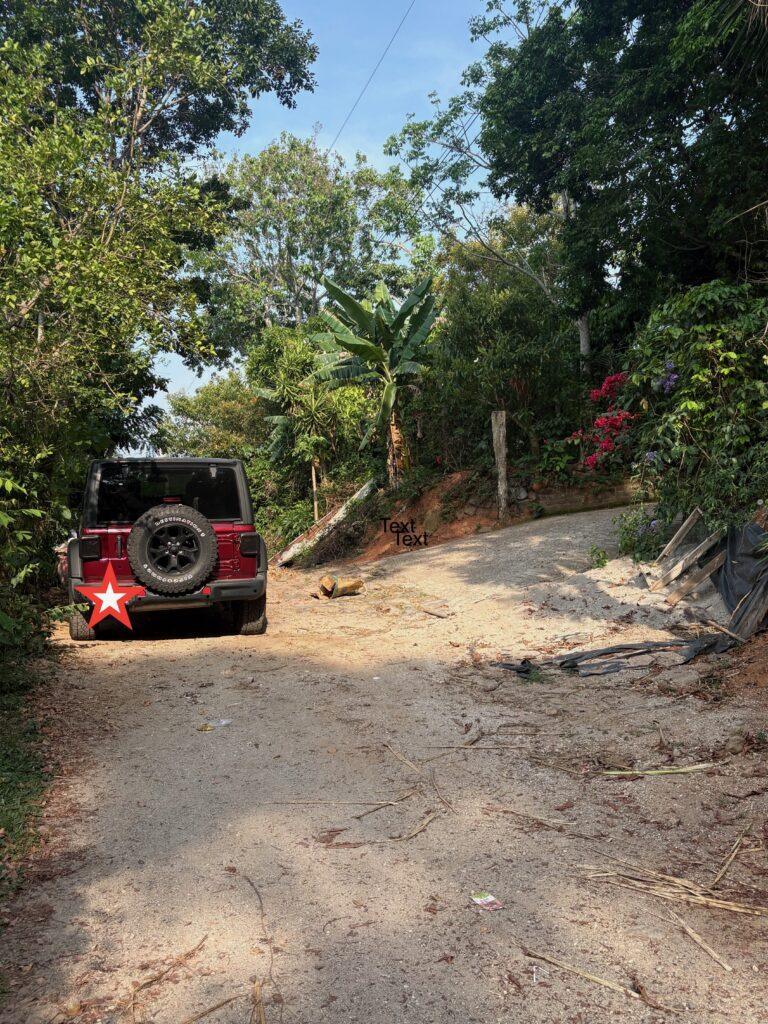
I now have my Salvadoran drivers license. I consider it a real accomplishment, especially having obtained it without relying on my US drivers license, and I know my wife is happy that I’m driving again. Driving in El Salvador is a little different than driving in the US, but honestly it depends on where you are. City driving here can be very stressful, but like anything, you get used to it. Cars drive in close proximity with a large number of motorcycles weaving around the cars. In smaller towns and some congested parts of the cities, there are pedestrians and dogs, as well as street vendors in the lanes along with the motorcycles and other cars. Rural roads are sometimes rough and can have speed bumps (called túmulos) that can surprise you if you’re not paying attention, but they’re meant to reduce traffic speed near schools and other sensitive locations. Highway improvement projects are ongoing and if you are driving from San Salvador to the airport or the beach, you’ll find excellent roads, The Carretera Panamericana in El Salvador is part of the Panamerican Highway stretching from Alaska to Argentina and is also in good condition across El Salvador.
A couple weeks ago I had an incredible opportunity. I was invited to co-teach an English lesson at a local middle school. I first had lunch at a teacher’s house along with her family. They raise chickens and there were a lot of them living on the property in large pens. What do you think we had for lunch? Yes, you’re right, but at least you know it was very fresh! After lunch we headed to the school, located in a very rural area up and down a one lane unpaved road. The school was older, but El Salvador has been investing in construction of new schools recently. I understand that about 70 of them were recently opened across the nation, including many in rural settings. The school I visited is in a beautiful area surrounded by tropical trees, birds, and flowers. The 7th, 8th, and 9th grades were brought together (about 40 students total) for my guest appearance and I understand none of them had ever spoken with a native English speaker. I answered lots of questions and asked a few as well. I showed them slides with pictures of life in the United States, including cars buried in snow, a cheesesteak, and family photos. After that we played charades and ate ice cream. The experience was one of the highlights of my time in El Salvador.
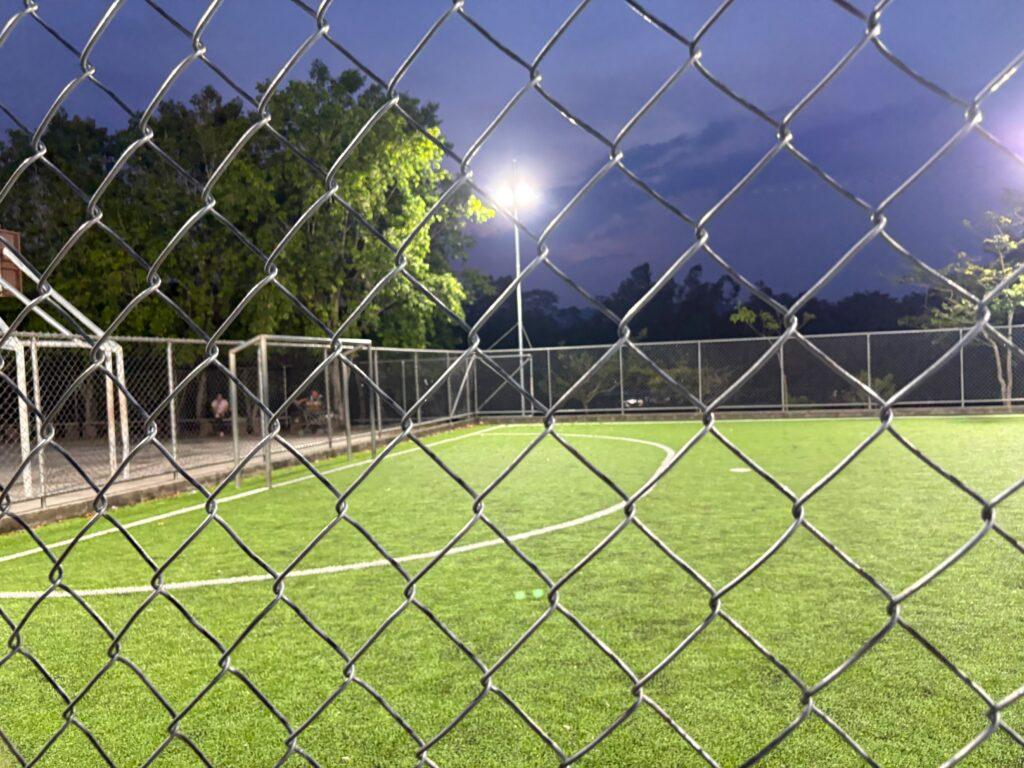
That evening I joined the teacher and her husband for a soccer game in a nearby town, where the husband was playing on an established local team. This was an adult men’s league and his team won the game in two 30-minute periods. If you know soccer, then maybe you know it was a shorter game because it was played on a half-field. The three of us ate pupusas outside beside the field in the dark after the game.