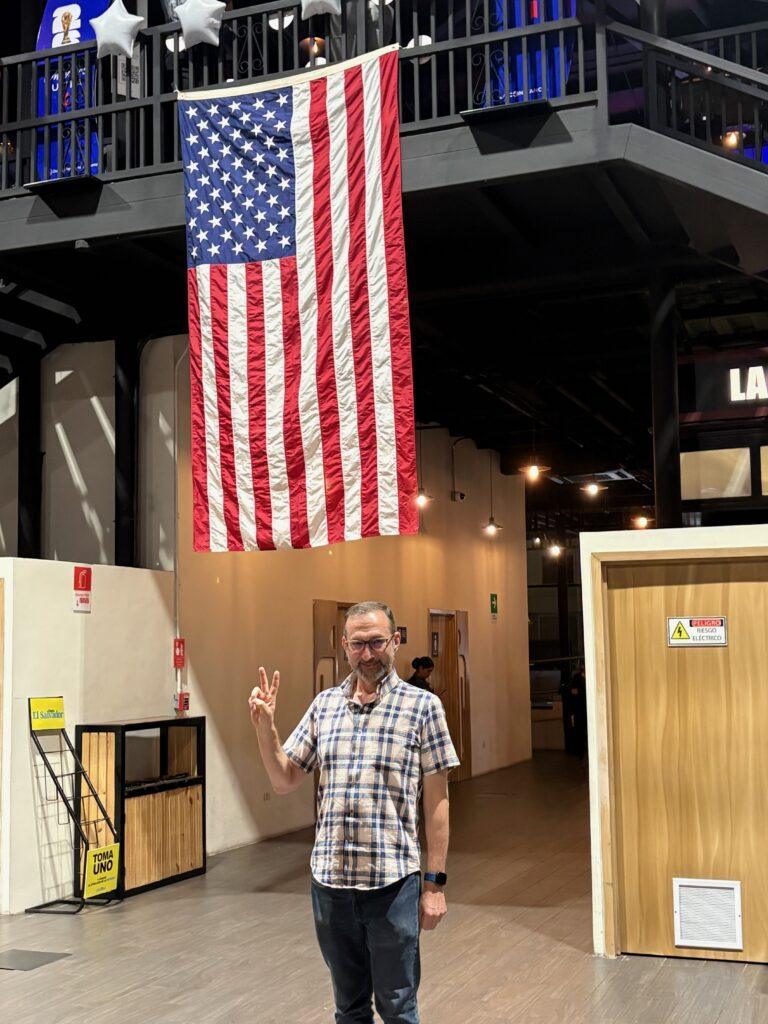
With the World Cup underway, I heard about an event at Plaza Universitaria, which has a newish two-level indoor space and is located in the historic center of El Salvador. It has some food and drink vendors and is a good less formal place for lunch or dinner. I had been there once before with a friend from the U.S. who was visiting a few months earlier and we passed through after touring the National Palace. The event this time was a watch party for a World Cup match between the USA and Bosnia-Herzegovina. The U.S. embassy hosted the event with big screens to watch the game and the vendors were open. My wife and I arrived a little late, but we purchased dinner and enjoyed the game, ultimately watching the U.S. win! Of course, the U.S. later lost a game and is no longer a World Cup contender, but it was a fun night! It was also great to walk through the Centro Histórico (the historic district in the center of El Salvador) after the game and see the Biblioteca Nacional all lit up at night. Here’s a photo of me at the Watch Party.
At the World Cup Watch Party at Plaza Universitaria
I now have my Salvadoran drivers license. I consider it a real accomplishment, especially having obtained it without relying on my US drivers license, and I know my wife is happy that I’m driving again. Driving in El Salvador is a little different than driving in the US, but honestly it depends on where you are. City driving here can be very stressful, but like anything, you get used to it. Cars drive in close proximity with a large number of motorcycles weaving around the cars. In smaller towns and some congested parts of the cities, there are pedestrians and dogs, as well as street vendors in the lanes along with the motorcycles and other cars. Rural roads are sometimes rough and can have speed bumps (called túmulos) that can surprise you if you’re not paying attention, but they’re meant to reduce traffic speed near schools and other sensitive locations. Highway improvement projects are ongoing and if you are driving from San Salvador to the airport or the beach, you’ll find excellent roads, The Carretera Panamericana in El Salvador is part of the Panamerican Highway stretching from Alaska to Argentina and is also in good condition across El Salvador.
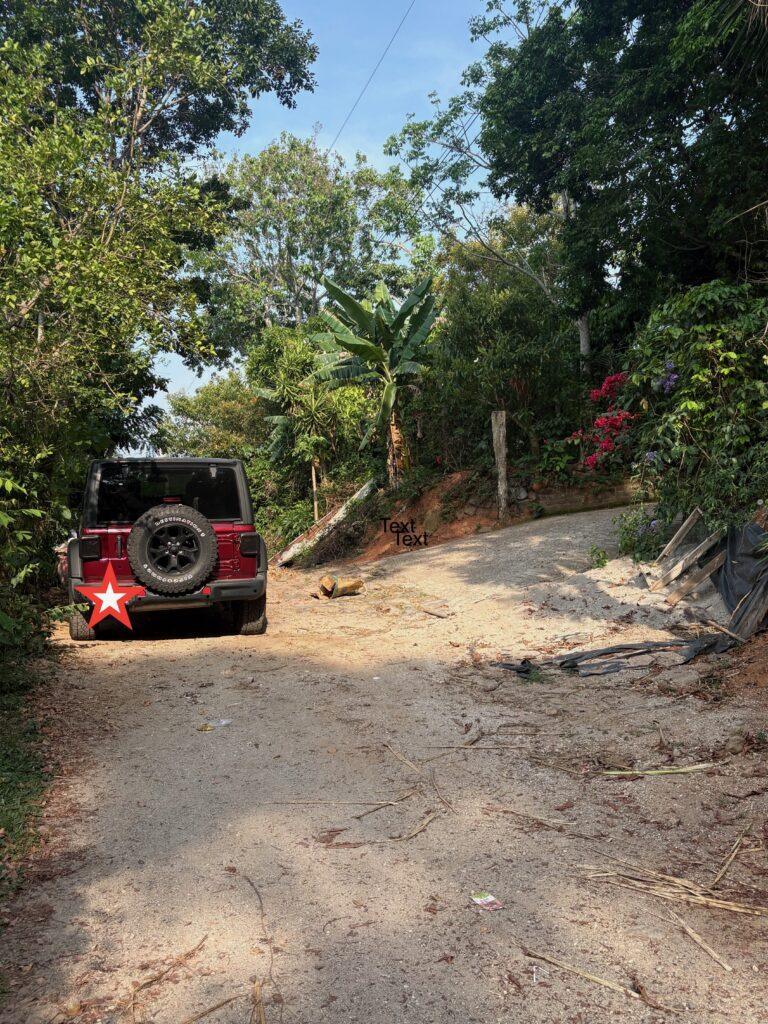
A couple weeks ago I had an incredible opportunity. I was invited to co-teach an English lesson at a local middle school. I first had lunch at a teacher’s house along with her family. They raise chickens and there were a lot of them living on the property in large pens. What do you think we had for lunch? Yes, you’re right, but at least you know it was very fresh! After lunch we headed to the school, located in a very rural area up and down a one lane unpaved road. The school was older, but El Salvador has been investing in construction of new schools recently. I understand that about 70 of them were recently opened across the nation, including many in rural settings. The school I visited is in a beautiful area surrounded by tropical trees, birds, and flowers. The 7th, 8th, and 9th grades were brought together (about 40 students total) for my guest appearance and I understand none of them had ever spoken with a native English speaker. I answered lots of questions and asked a few as well. I showed them slides with pictures of life in the United States, including cars buried in snow, a cheesesteak, and family photos. After that we played charades and ate ice cream. The experience was one of the highlights of my time in El Salvador.
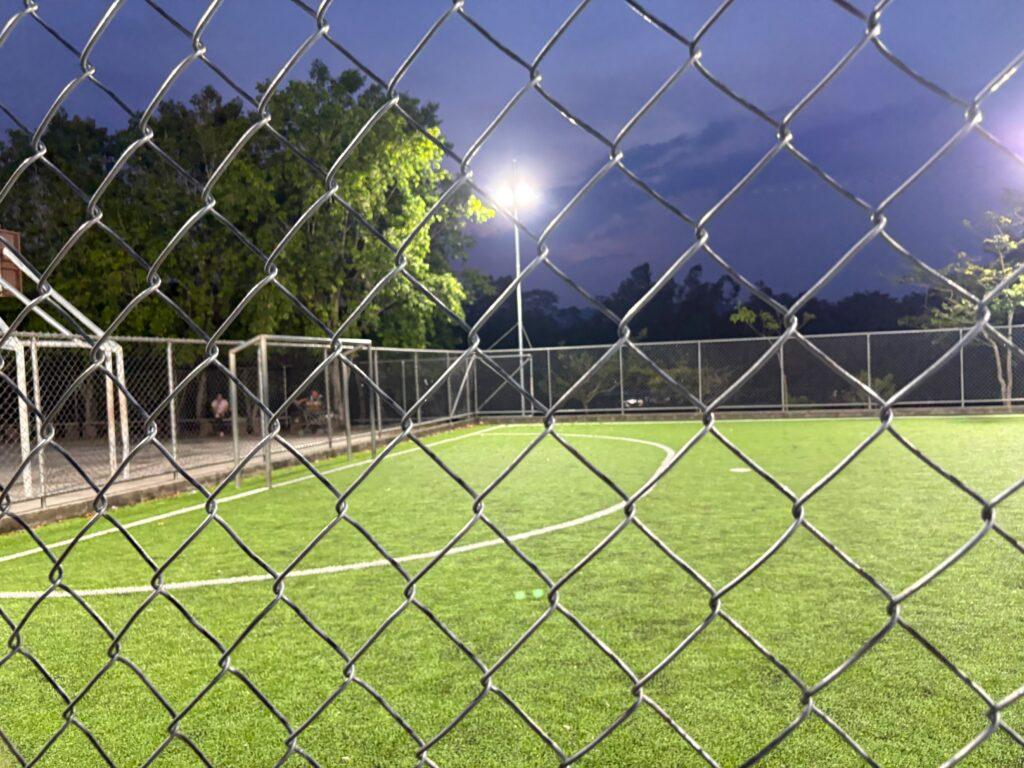
That evening I joined the teacher and her husband for a soccer game in a nearby town, where the husband was playing on an established local team. This was an adult men’s league and his team won the game in two 30-minute periods. If you know soccer, then maybe you know it was a shorter game because it was played on a half-field. The three of us ate pupusas outside beside the field in the dark after the game.
El Salvador weather has slowly become warmer since mid-February, though not by much. It’s warmed up by about 5 to 8 degrees Fahrenheit on an average day and seems to stay warm longer in the afternoon than it did before, but the mornings and evenings are still cool. The rains have gradually started to return as well. When we first arrived in August, it rained heavily every night. Then, beginning in November, the rains mostly stopped.
Now it is Semana Santa (Holy Week), which is a big deal in El Salvador. It’s really the time between Palm Sunday and Easter Monday and the days between Maundy Thursday (the Thursday prior to Easter Sunday) and Easter Monday are a national holiday. One tradition in El Salvador is the alfombras (or carpets), which are religious art made out of sawdust directly on the street.
There are also religious processions. In one that takes places after dark on the evening of Good Friday, there is an interesting and artistic event where a statute of Jesus is carried through the streets and then statues of several key religious figures (like Mary, mother of Jesus, or Saint John) are run toward the statue of Jesus in the street. It’s beautiful and fascinating.
I have also been working on obtaining a Salvadoran drivers license. A foreign (such as US) drivers license is only valid here for the first 90 days someone is in El Salvador, after that you are required to obtain a Salvadoran license (Licencia de Conducir) to continue driving. There are two options for getting a Salvadoran drivers license if you have one from the US: you can start from scratch and follow the full process or you can get an apostille from the issuer of the foreign license.
An apostille is a government certification that a document issued by that government is valid in other countries. I previously needed one for a couple of other documents issued in the U.S. in order to obtain my residency card (Residencia Temporal), but also could have obtained one for my drivers license. Having an apostille for your drivers license can save you some of the steps for obtaining a Salvadoran license and would have been easy to do if I flew back to the US, but I chose the full process.
I’m looking forward to driving again, if for no other reason than my wife is tired of being the chauffeur! If you are moving to El Salvador, I recommend getting started on this process as soon as you have a residency card.
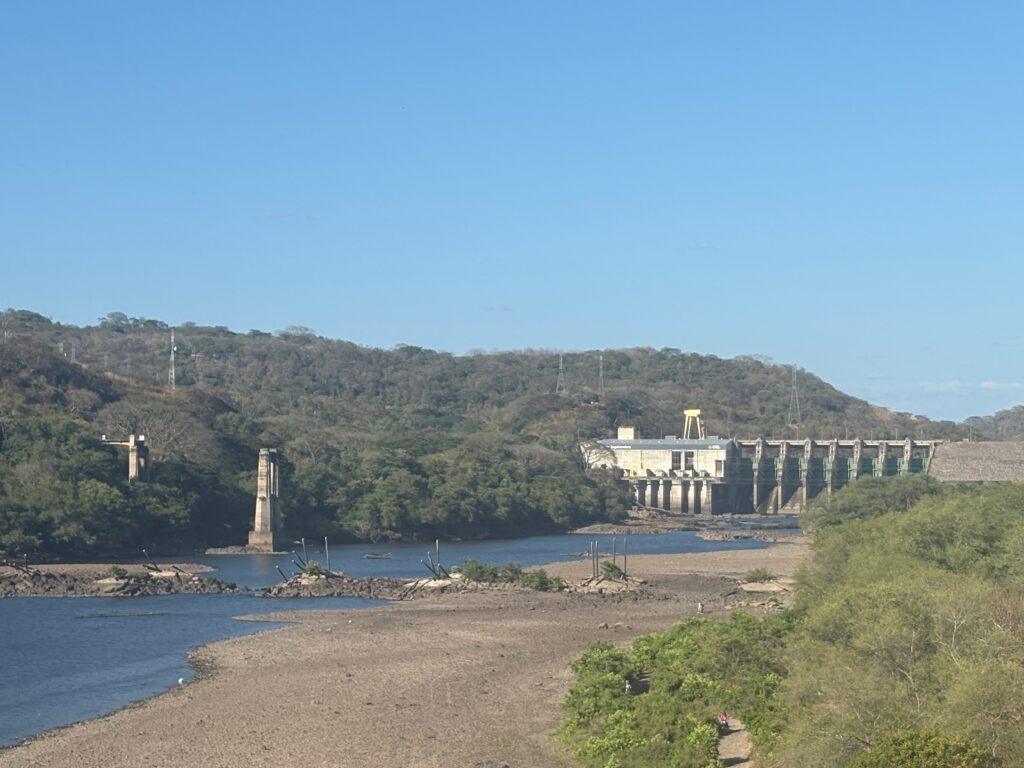
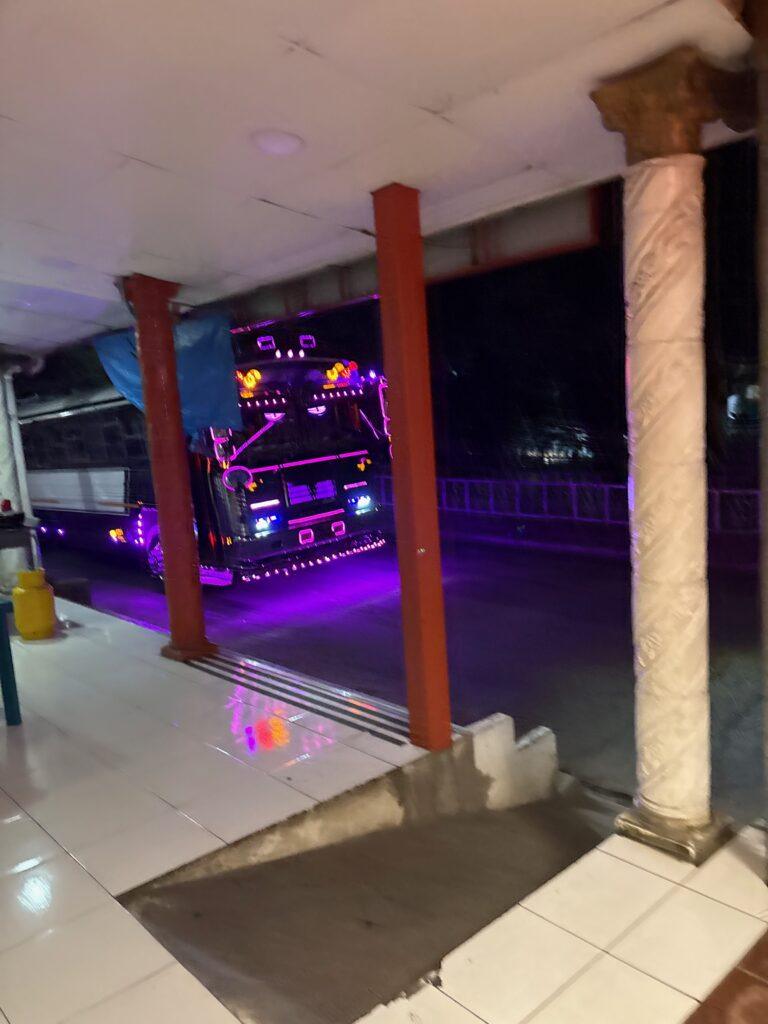
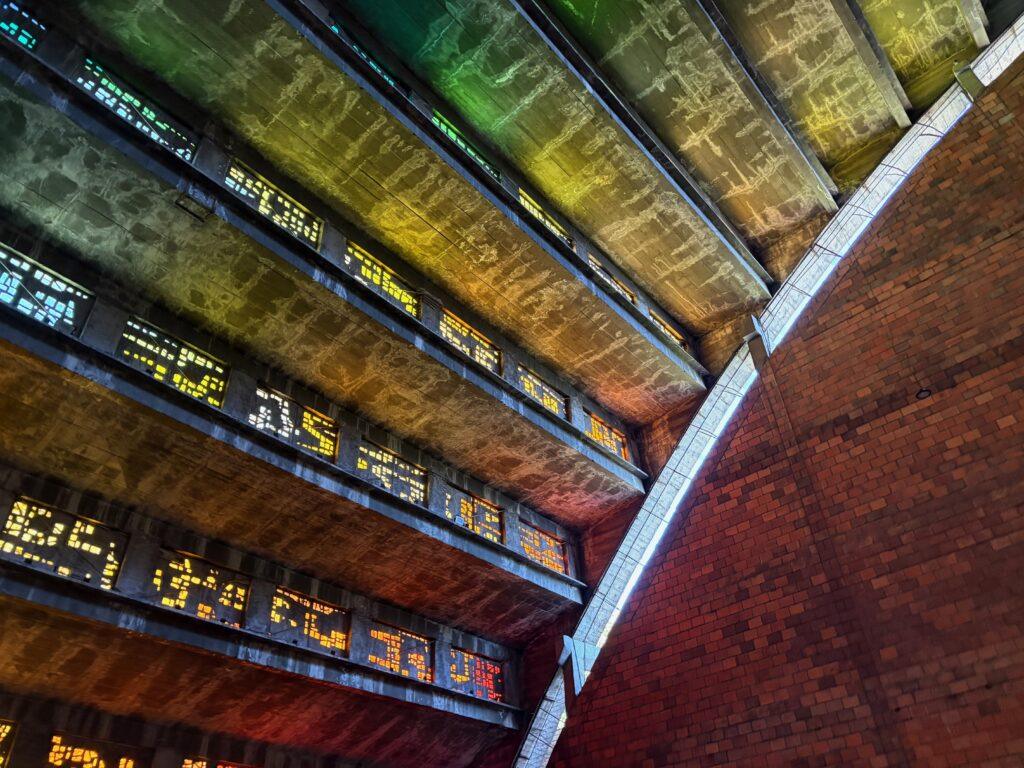
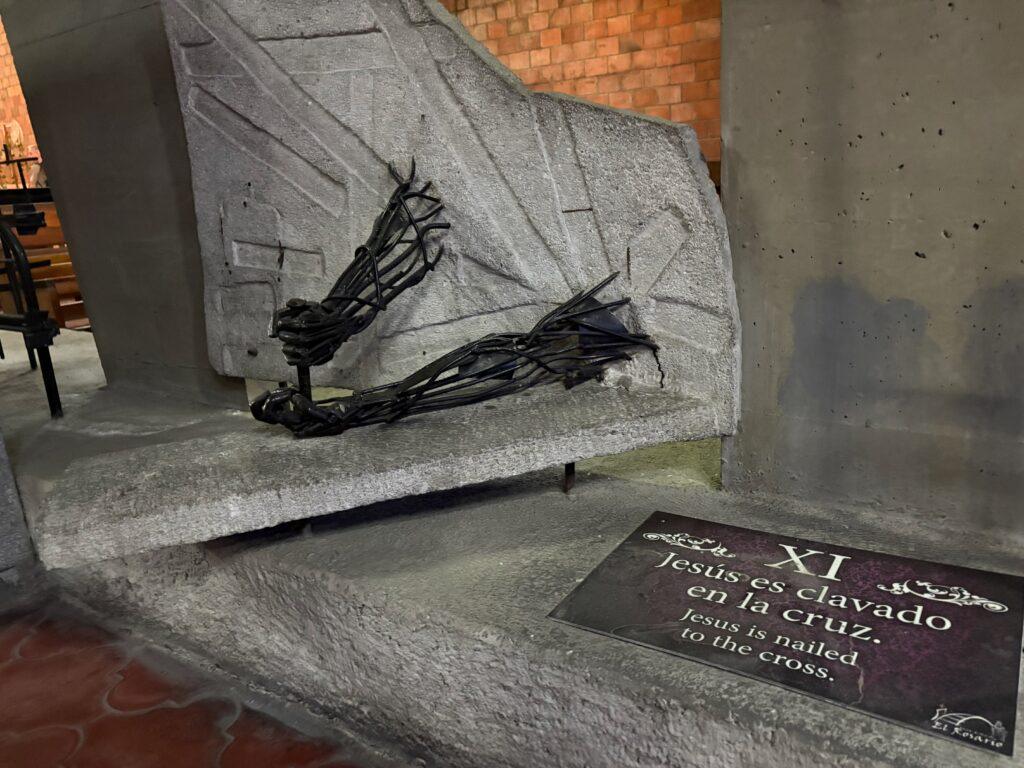
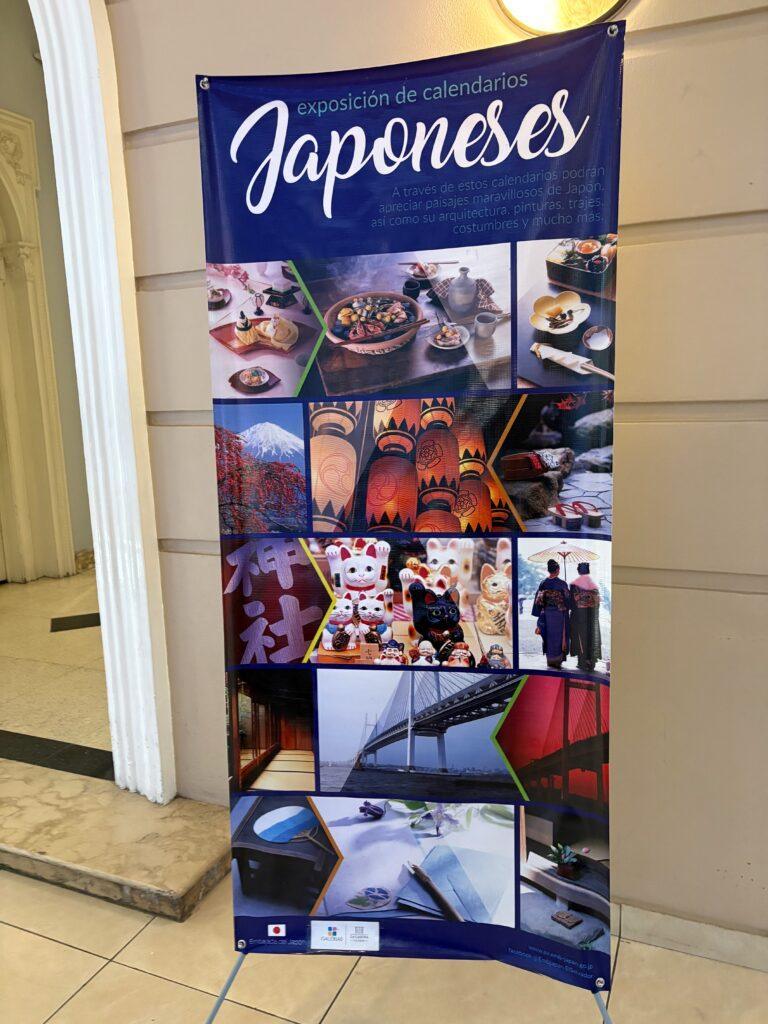
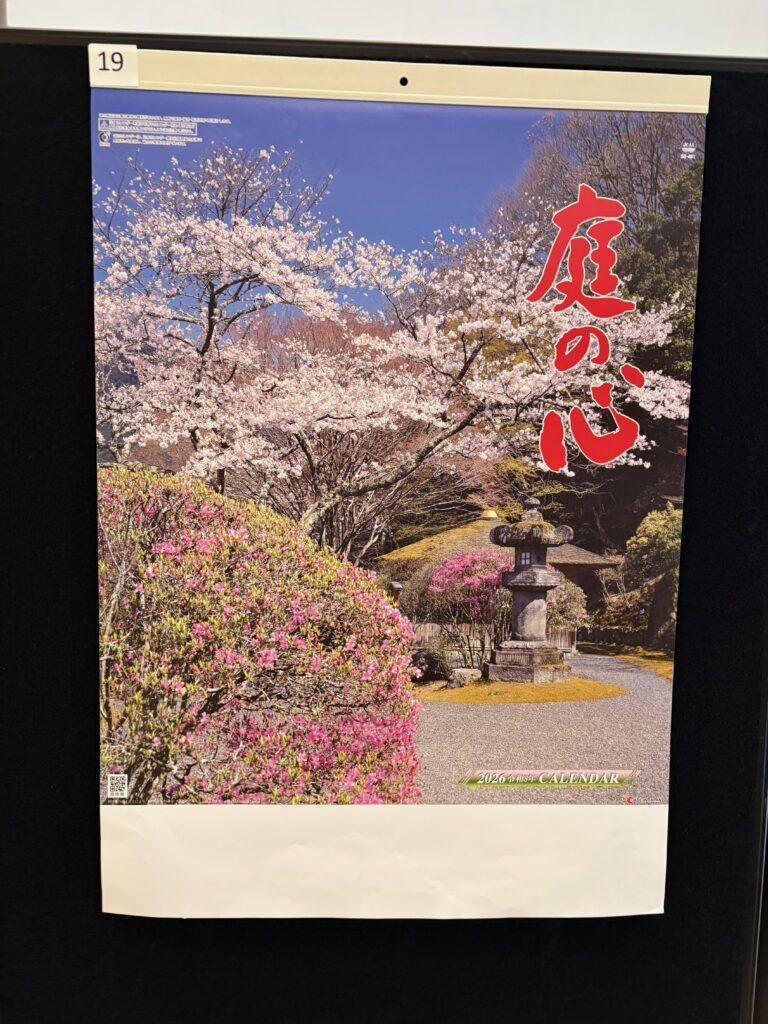
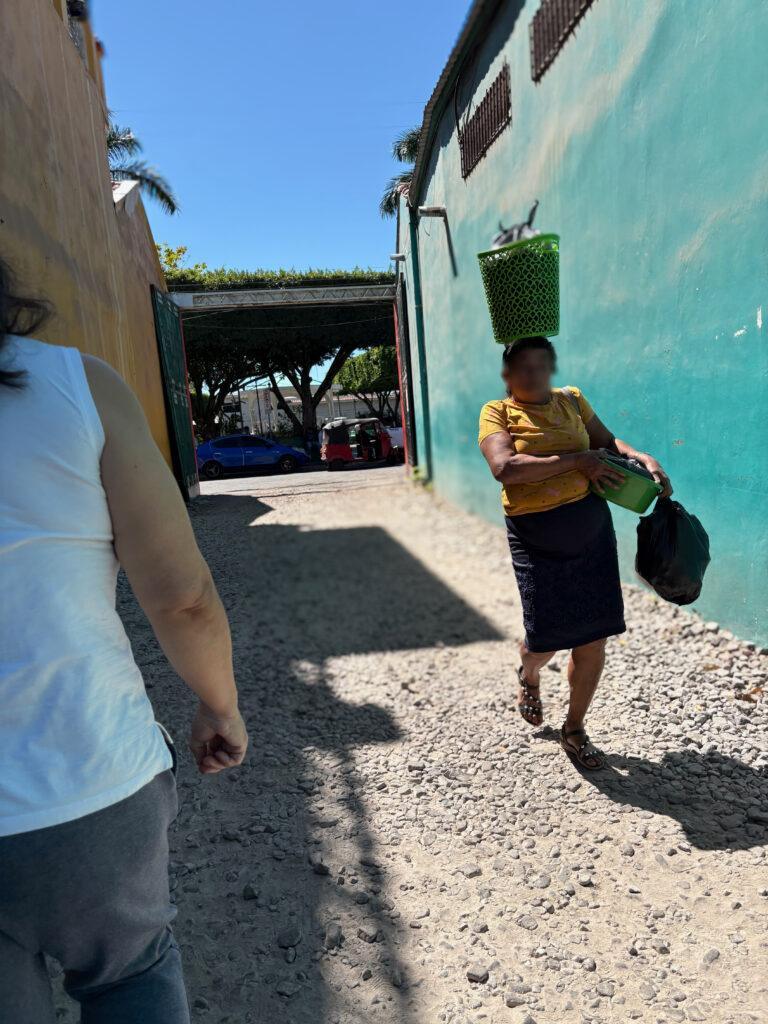
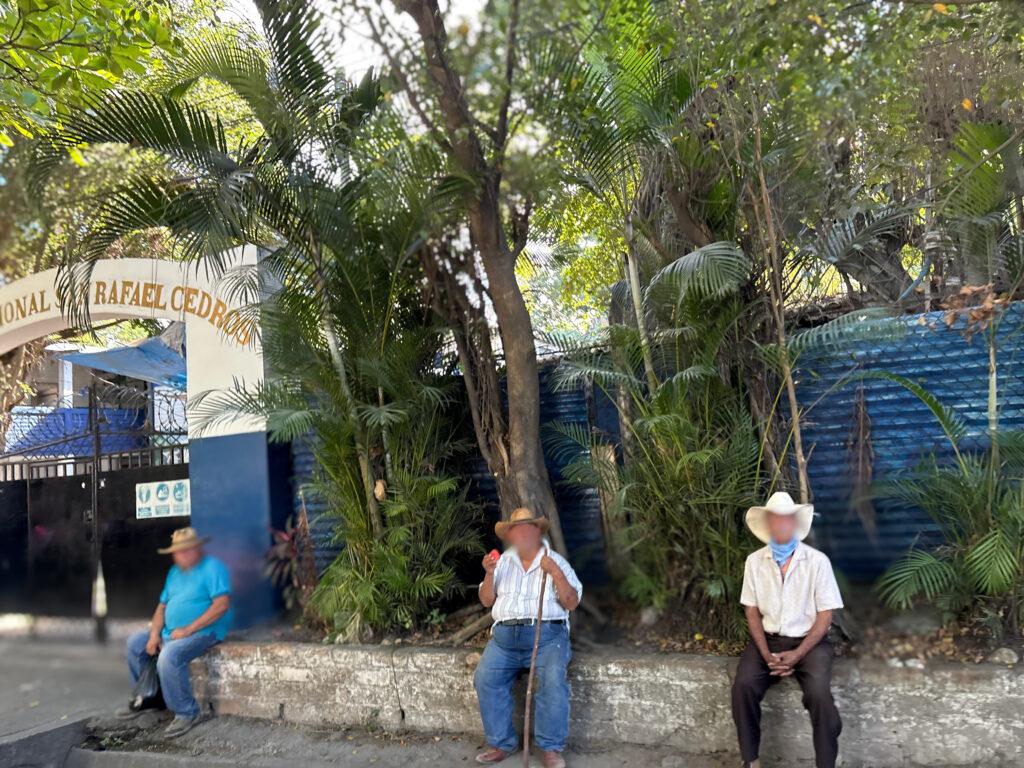
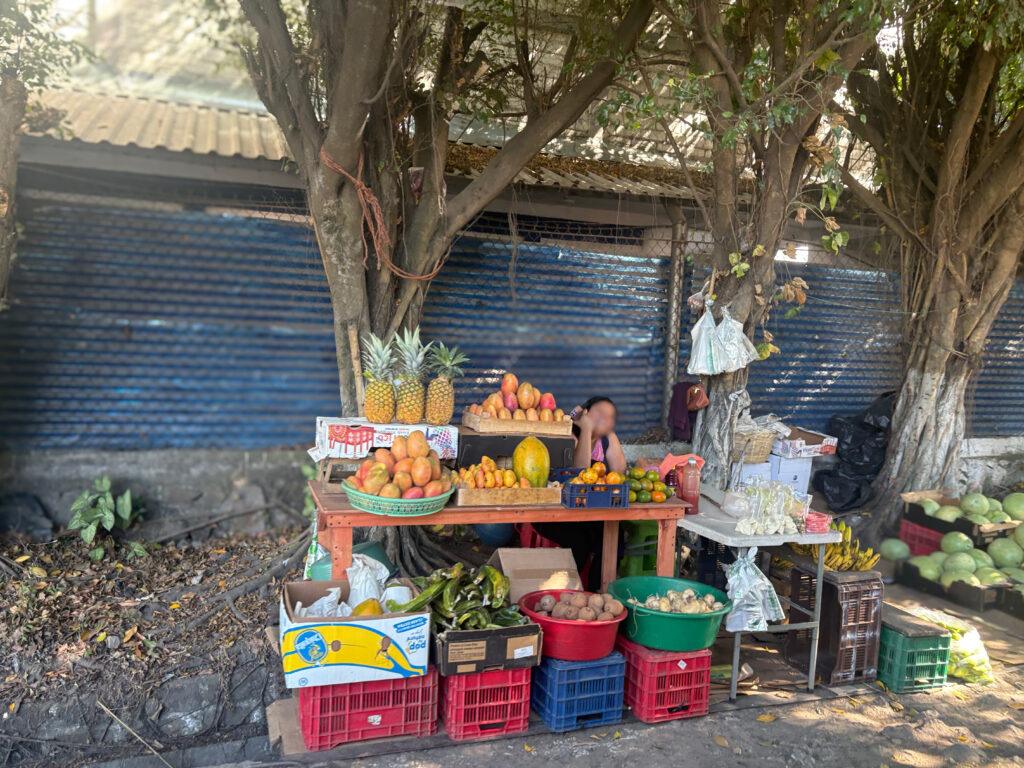
February has arrived and with it, I finally have my “Residencia Temporal”, which is my temporary resident visa. Now that I have it, I can begin charging for my English lessons, but I’m working on my web site first, and also trying to determine if there is anything I need to do with regard to Salvadoran taxes. Still, it’s exciting! I did learn that I if I am out of the country for more than 90 days (total, not necessarily continuous), then I lose the visa. At the end of the year, I can apply for a permanent resident visa (that would be the Salvadoran version of a U.S. green card). I think after that I can probably come and go as I wish. Until then I need to make sure I am aware of the total days I am out of El Salvador. About two weeks ago, my wife and I visited the Iglesia El Rosario (Church of the Rosary), which is both a church and a tourist site in the historic center district of the capital, known as Centro Histórico. My mother and I visited the same church back in 2025. It is not that special looking from the outside, but it is incredible on the inside. The stained glass ceiling is truly beautiful and definitely worth seeing if you visit El Salvador. Earlier that morning we also went to the Galerias mall and while there saw a display of artistic calendars from the Japanese Embassy. That evening, we were walking and I took a photo of a bus. Note that it’s an old school bus from the US. There are a ton of repurposed school buses here, often painted with religious or other imagery and lit up. It’s important as a driver to remember that usually these are not actually school buses anymore, but rather private licensed commuter busses. Whereas there are strict rules regarding driving near and passing school buses in the U.S. you do not necessarily stop for them as you must for school buses in the US. The next day we took a road trip and drove south in the direction of San Miguel along the Carratera Panamericana (Pan American Highway). This highway stretches from the bottom of South America to Alaska. It was noticeably warmer towards San Miguel with highs in the mid-90s. Along the way I stopped to take a photo of a bridge destroyed by the communists in the civil war in the 1980s. Parts of the bridge are still there as you can see in the photo. Yesterday we visited Ilobasco. While there I took a quick photo of a woman carrying a basket on her head. Lots of women carry things on their heads here, but I was pretty impressed by this feat! I’ve also included a few other photos. One is of a woman selling fruit and talking on her cell phone. The fruit stands along the roads here are everywhere. Some sell fruit, while others sell coconut juice or sugar cane drinks. Another is of some farmers on the side of the road.
Bridge destroyed in 1980s civil war with a dam behind it.Colorful busCeiling of Iglesia El RosarioOne of the Stations of the Cross at Iglesia El RosarioSIgn for an exhibit from Japanese embassy at Galerias mallOne of the calendars in the Japanese exhibit at the mallWoman carrying basket on her headFarmers resting beside the roadWoman selling fruit
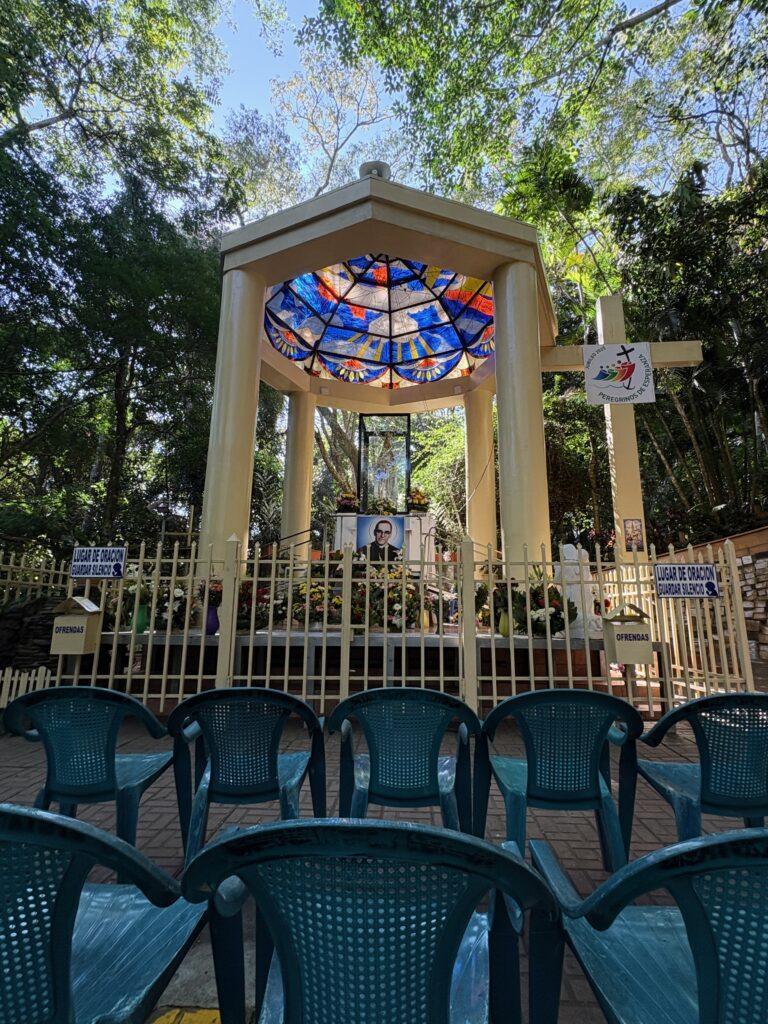
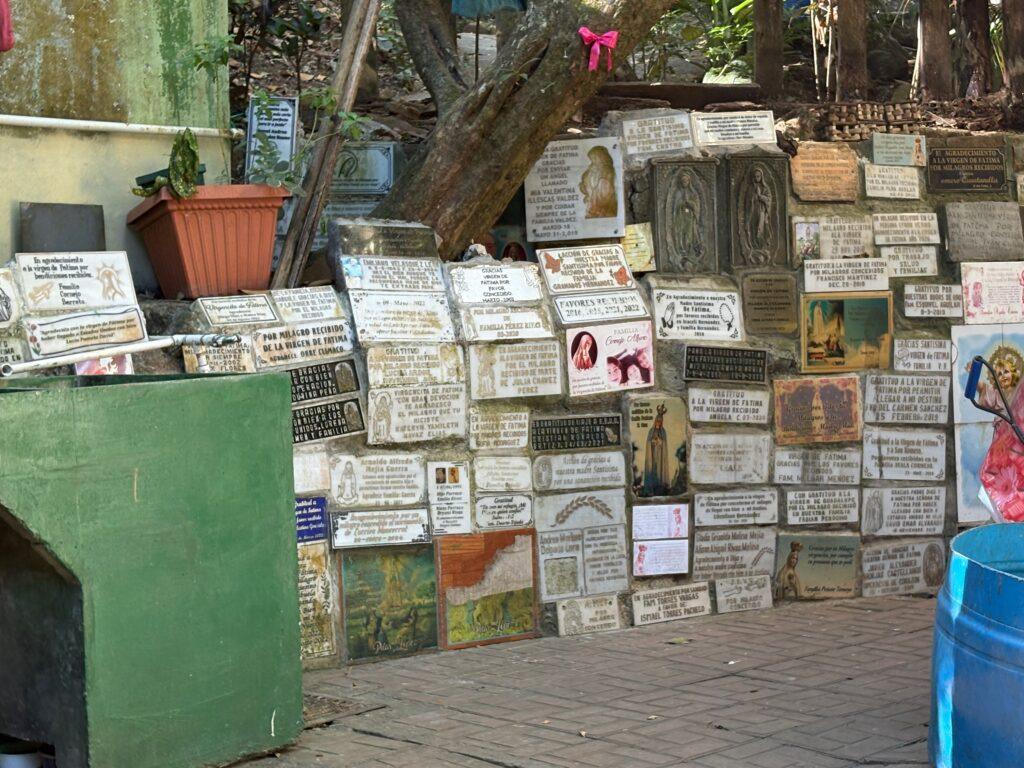
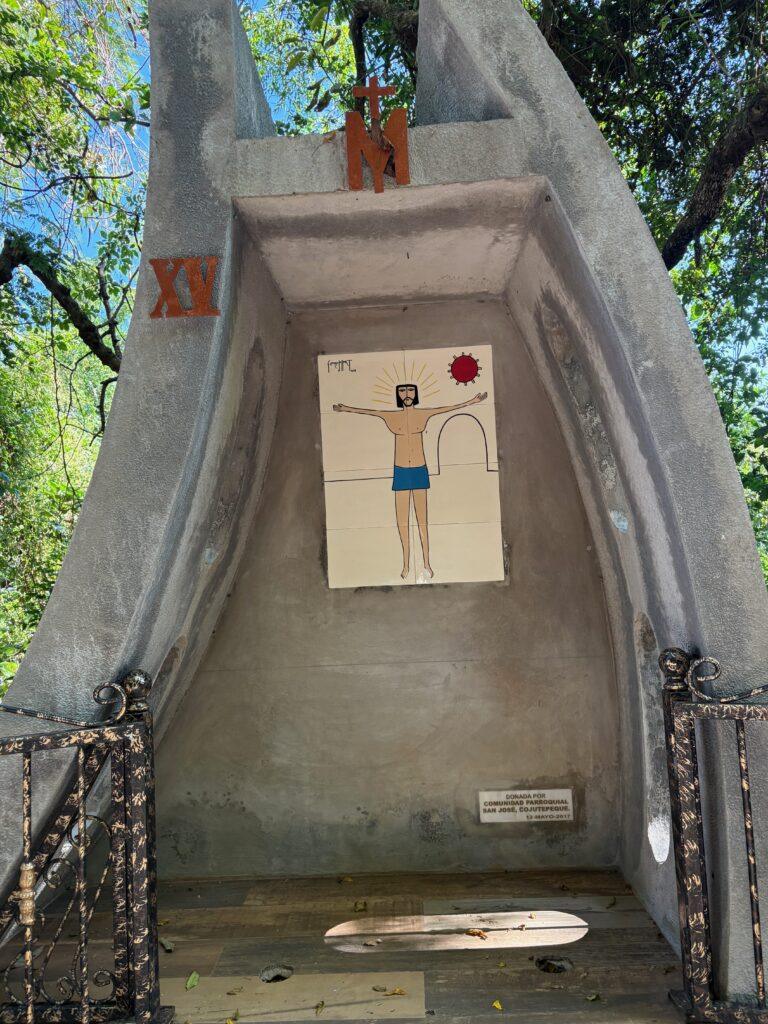
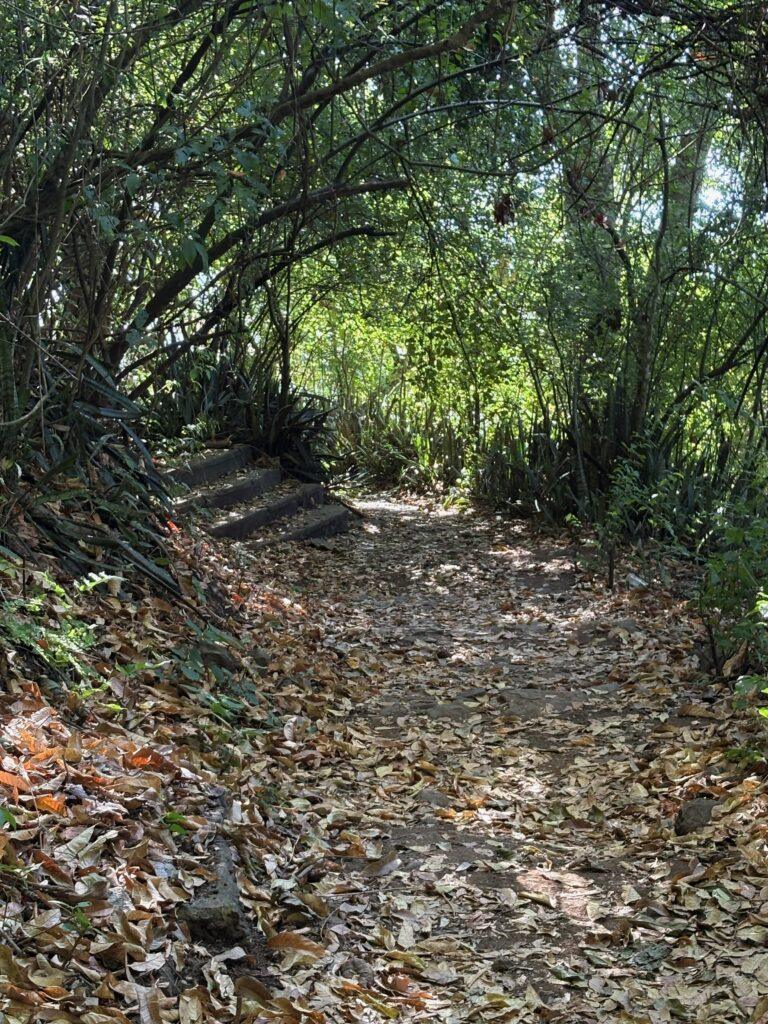
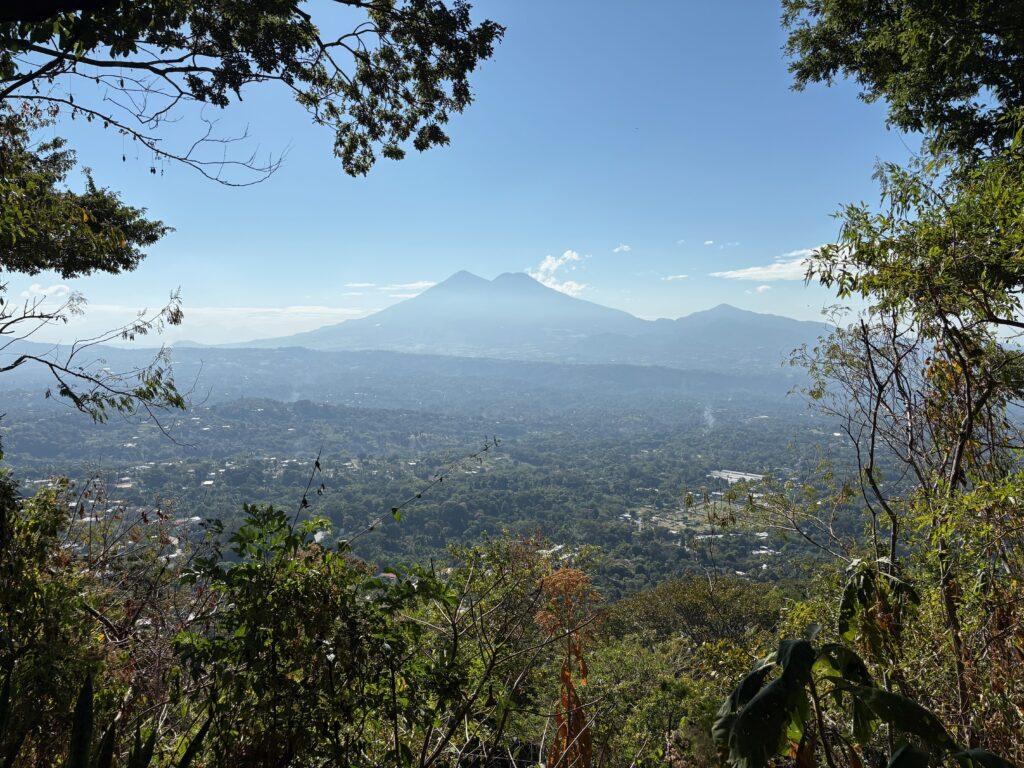
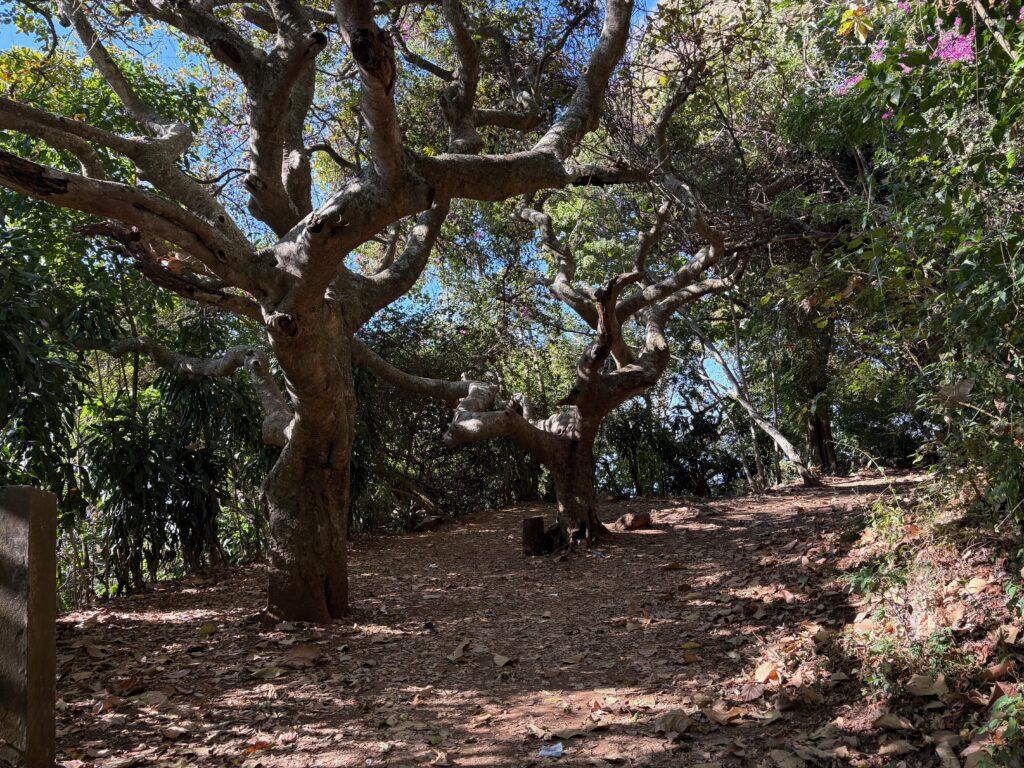
I’m sitting here enjoying a cup of coffee and eating pupusas for dinner. It’s raining, which is surprising because it’s the dry season. Many who grew up here tell me the weather patterns have changed a lot since they were younger. The rainy season was supposed to end by the end October, but although the frequency and intensity of rain decreased significantly, it still rained into November and here we are in January with a rainy evening. This morning was clear though and my wife and I finally went hiking as we had planned to do for a while. Our goal is to climb the Santa Ana volcano in the National Park there (Parque Nacional de los Volcanes), but since we have not hiked recently, we are getting back into the practice so we can do this together. Today we started small with a 1-hour hike in a park on a hill within Cojutepeque called Cerro de las Pavas, which is Spanish for Hill of the Turkeys. An interpretive sign at the park said that Cojutepeque is a Nawat place name. Nawat is an endangered language that was the language of the Pipil indigenous people who populated central and western El Salvador at the time of the Spanish conquest. The place names in central El Salvador are either Spanish (like “El Salvador”) or they’re from Nawat. Nawat is closely related to the Aztec language family because the Pipil migrated from what is today central Mexico and the Gulf Coast region 400 years before the Spanish arrived. The Pipil displaced earlier Mayan inhabitants who remained in the greater region, but not as much in what became El Salvador. The word “Cojutepeque” (the place we visited today to go hiking) means “Hill of the Turkeys” with the ending “-tepeque” meaning hill or mountain. Other Savaldoran place names are based on Nawat words, such as “-tlan” which means “place of” and “-tenango” which means “place of walls or fortifications”. Examples include “Cuscatlán” and “Chalatenago”. The Cerro de las Pavas park has trails and some various comedors located in the park, which are called “merenderos”. A comedor is a diner of sorts, but is really just a small often informal business where people cook familiar local foods for sale. Some are bigger and more like a restaurant as we would know it in the US. A merendero is comedor in an outdoor setting, so when we were hiking we found people had set up tables and were cooking basically in the forest and that is what merenderos are. There is also a Catholic shrine in the forest called La Gruta de la Virgen de Fatima. The shrine is dedicated to the Virgin Mary, but also to a series of events that are recognized by the Catholic Church as having occurred in 1917 in Portugal related to three children being visited by the Virgin. The site in Cojutepeque was chosen in 1949 and has a statue (i.e. image) of the Virgin Mary that is from Spain. An original was at the site, carved in Portugal, but was damaged in an earthquake and the one from Spain is a replacement. Pilgrimages take place there in May and October and the site was declared historic by the El Salvador legislature. If you look at the photo below, you’ll see a photo of a man on the shrine. The man is Monseñor Oscar Romero who was the Archbishop of El Salvador and was assassinated in 1980 at the beginning of the Salvadoran civil war.
Virgin of Fatima ShrinePlaques at shrineOne of the stations of the cross in the parkView along trailView of volcano from trailView along trail
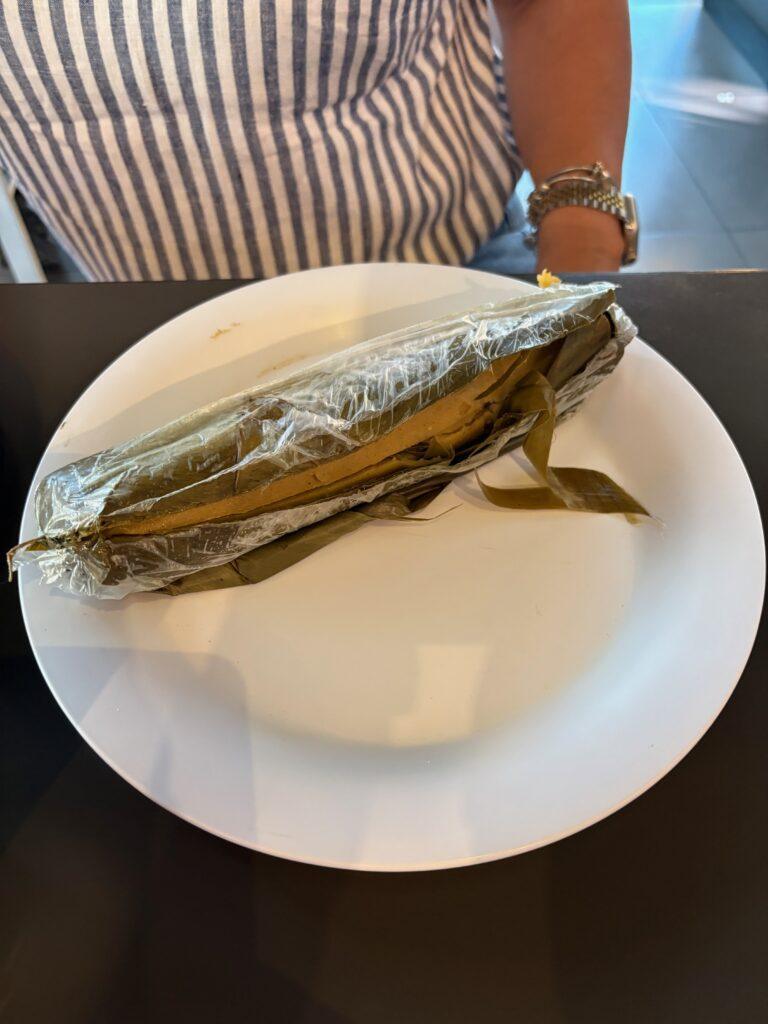
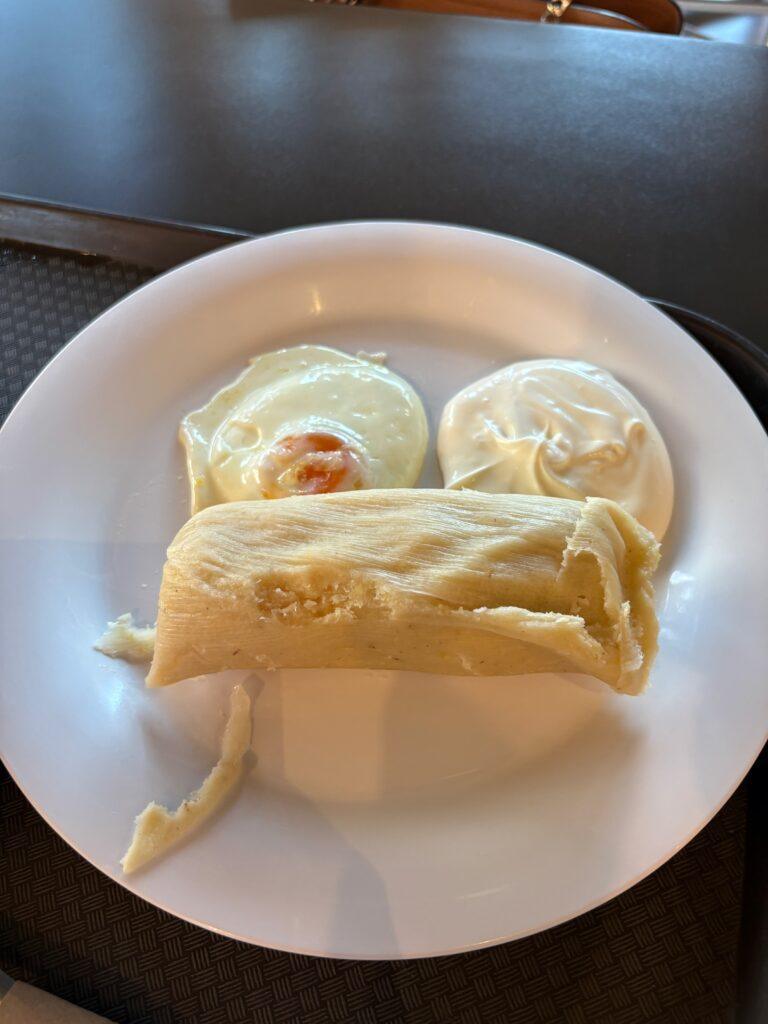
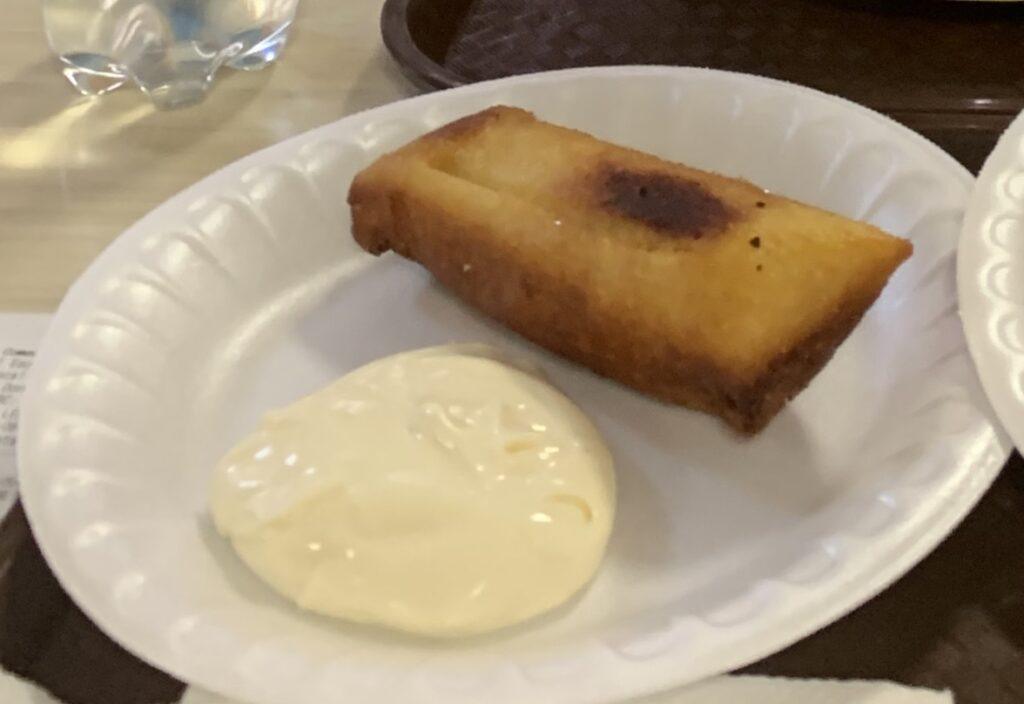
We have made it to the new year! With the holidays a friend of my wife’s brought tamales to our house. There are different kinds of tamales, some are sweet and some are savory. The savory chicken based tamales here are common and are eaten at all meals (breakfast, lunch, and dinner). Chicken tamales in El Salvador come wrapped in banana leaves. They are often made of corn meal, chicken, potatoes, green beans, chick peas, and green olives, but the ingredients other than the corn meal and chicken often vary. Some warnings for Americans are that sometimes the green olives have pits in them and the chicken has occasional bones. The chicken can be gallina or pollo. Gallina means a full grown female hen. Many Salvadorans prefer this to the young chicken meat we eat in the US because they consider it more flavorful. It’s slightly tougher and has a stronger flavor. Often you will see “tamales de gallina” meaning the tamales are made with the meat of a full grown hen, not a young chicken. The ones we received were made special order for me because they had only white breast meat with no bones, they were pollo (not gallina), and the olives had no pits. They were delicious! Another type of tamales that I love is tamales de elote. These are sweet corn tamales, which can be boiled and served in a corn husk or can be removed from the husk and fried. They’re often served with Salvadoran cream, which is similar in consistency to sour cream, but sweet not sour. Either way, they’re delicious!
Chicken tamal wrapped in banana leafBoiled sweet tamal with egg and sweet creamFried sweet tamal with sweet cream
Happy Christmas Eve everyone. This morning I’m sitting on the second floor terrace of my father-in-law’s house looking out over the village and the street below. This past weekend I came down with a cold bad enough to put me in bed for two days, but it was not COVID. I’m feeling mostly better now, but woke up about 3:30 AM and could not fall back to sleep. I tried, but the various early morning noises (like a woman rolling a wheeled trash can down the street while she swept and raked along the curb or the birds starting to sing) kept me awake, so finally I gave up and made some hot tea and moved to the terrace.
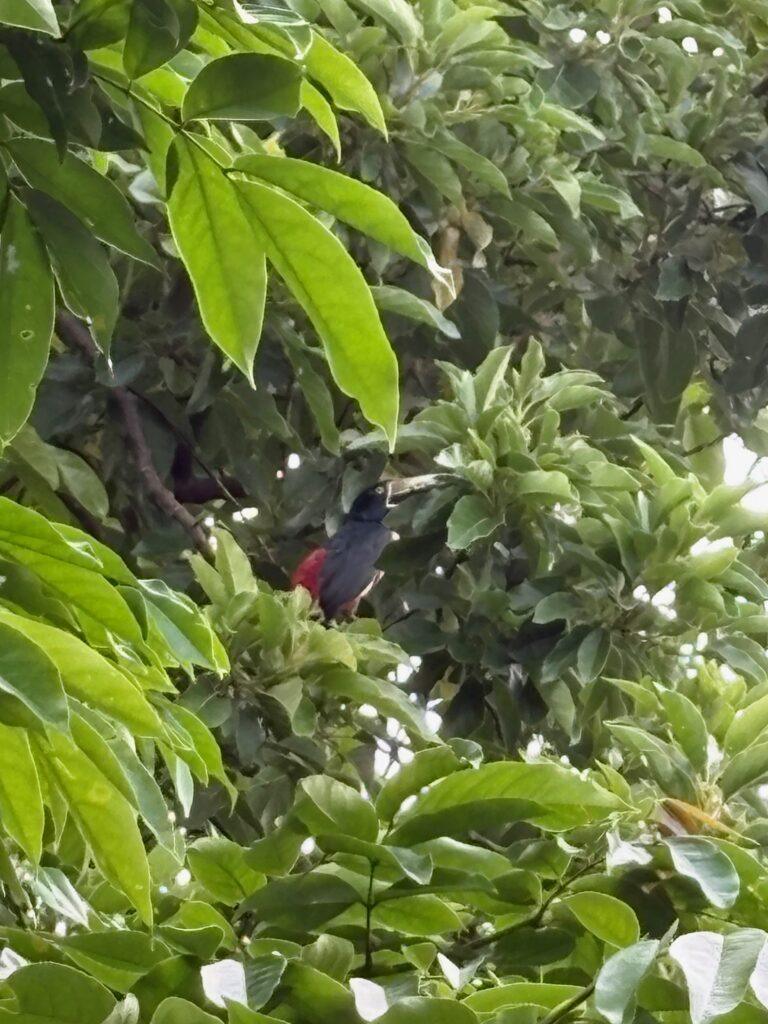
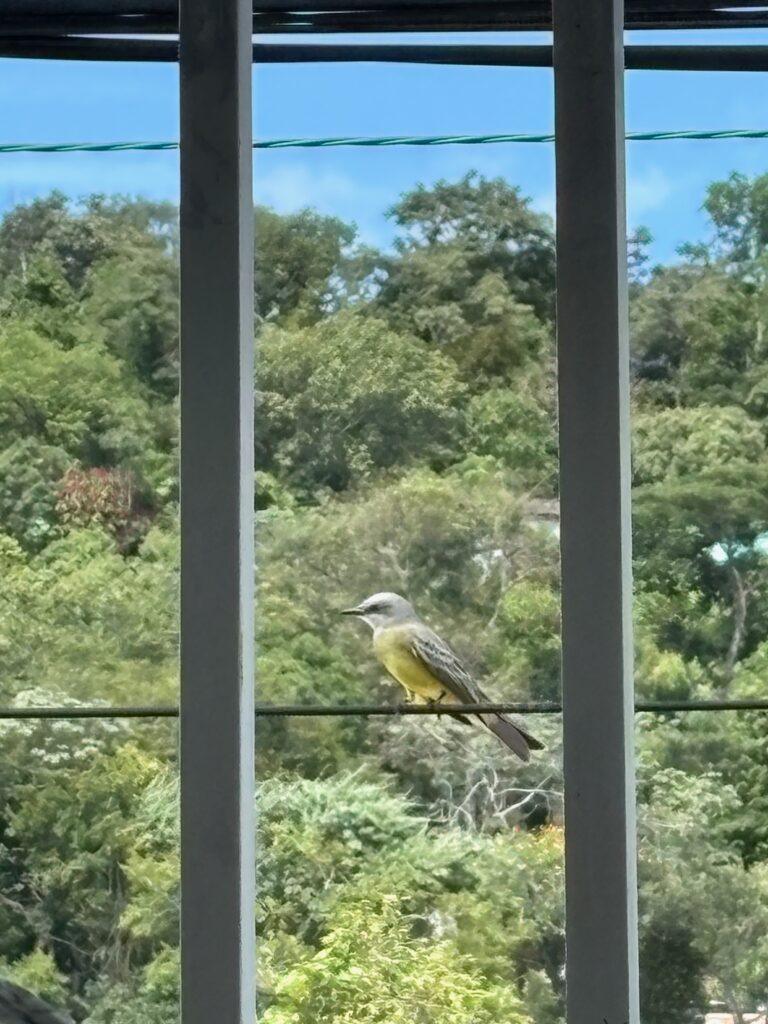
One creature that has joined me this morning is a Tropical Kingbird. It’s a grey and yellow bird that likes to land on the wires above the street near the terrace, so I get a good view from here. A new hobby for me since we moved here has been bird watching, which is something my father enjoyed many years ago. The variety and beauty of the birds here are astounding and I love watching them and identifying them. One of the first birds I saw here was a toucan, which I identified as a juvenile Collared Aracari that was in the tree in the inner courtyard at the house. Other birds I have seen here include the Rufous-browed Peppershrike, which is a small mostly green bird with a grey neck, and the Rufous-backed Wren, another small bird with a checkered pattern on its back. I’ve also seen the Common Squirrel Cuckoo, which has long striped tail feathers and is a blue and brown bird. Another I have seen more often closer to the beach, but once in the village, is the Great-tailed Grackle, which is an all black bird with long tail feathers, though the female is more brown. The most common birds I see though are doves. They include the White Winged Dove and the Ruddy Ground Dove, both of which live in the tree in the courtyard in high numbers. Some of the them nest in areas of the upper landing of the house and have their babies there. In Maryland, birds having babies happens in the spring, but here, just like flowering plants, this happens all year round.
My mother recently visited and we had an excellent time. This was her second visit as the two of us also visited 8 months before we moved (two months before I knew I would be moving here). When we visited back then we went spent time at Mayan sites, including Joya de Ceren and San Andres. Her favorite was Joya de Ceren, which is El Salvador’s “Pompeii” because it includes regular people’s houses that were buried, without being destroyed, by an eruption from a volcano. We also visited towns along the Ruta de las Flores or route of the flowers, which is a driving tour of colonial villages with brightly painted churches on town squares with artisan shops and cafés. This time we went to the beach, staying at a resort called Hotel Tesoro Beach, which has very nice beach access areas and a beautiful club house. If you’re looking for a beach resort in El Salvador, I would say this is a great option for a day-time visit, but note the front desk is not open 24 hours.
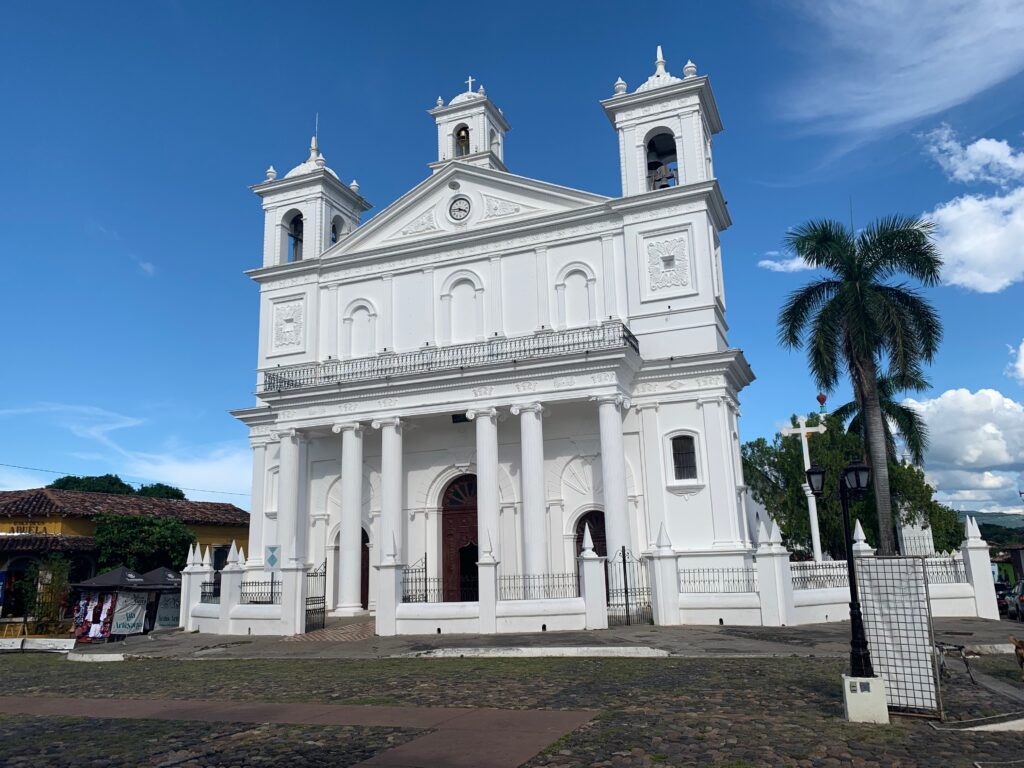
During her visit we also went to Suchitoto, which is a colonial village that was briefly the capital of El Salvador under Spanish rule. It has a history related to the production of Añil, which is the Spanish word for indigo, the natural blue die. We attended a fantastic workshop there where we learned about the history and craft of dying fabric to make clothing using indigo, then we made beautiful tee shirts and a scarf. I want to give a shout out to Irma Guadron, the owner of Arte Añil for hosting the workshop and taking such good care of us. I strongly recommend the workshop to anyone who enjoys crafting and learning about history at the same time.
I hope you have a perfect holiday season and allow whatever stresses you face to fade at least for a few days. Merry Christmas, Happy Chanukah, and Happy New Year!
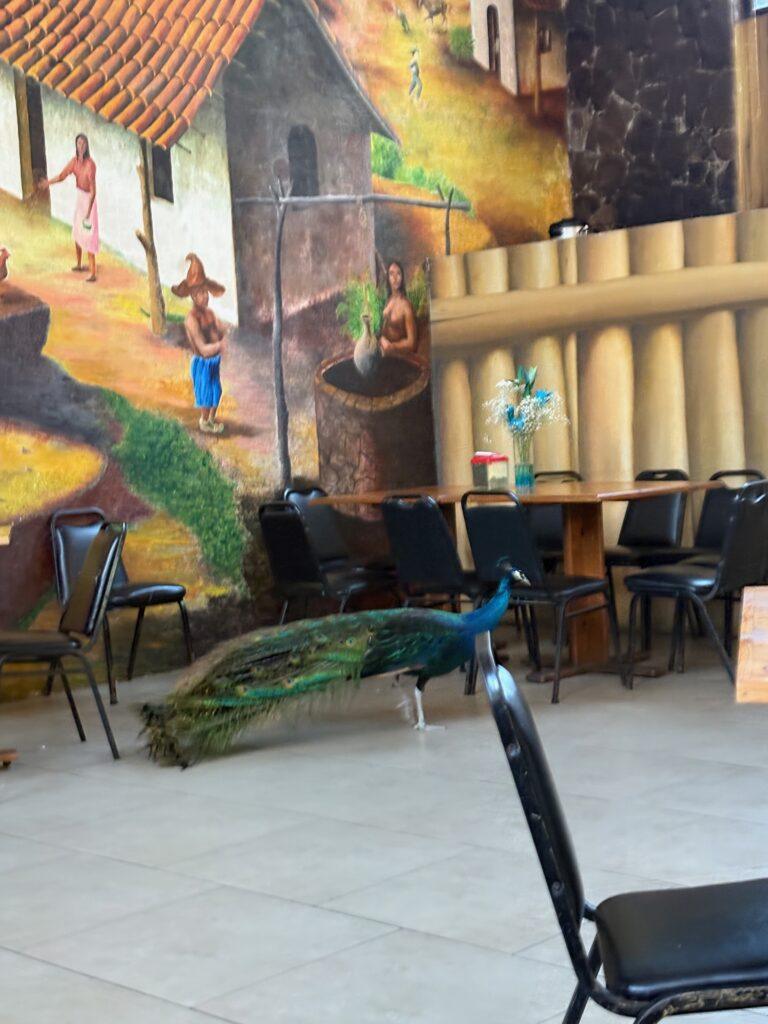
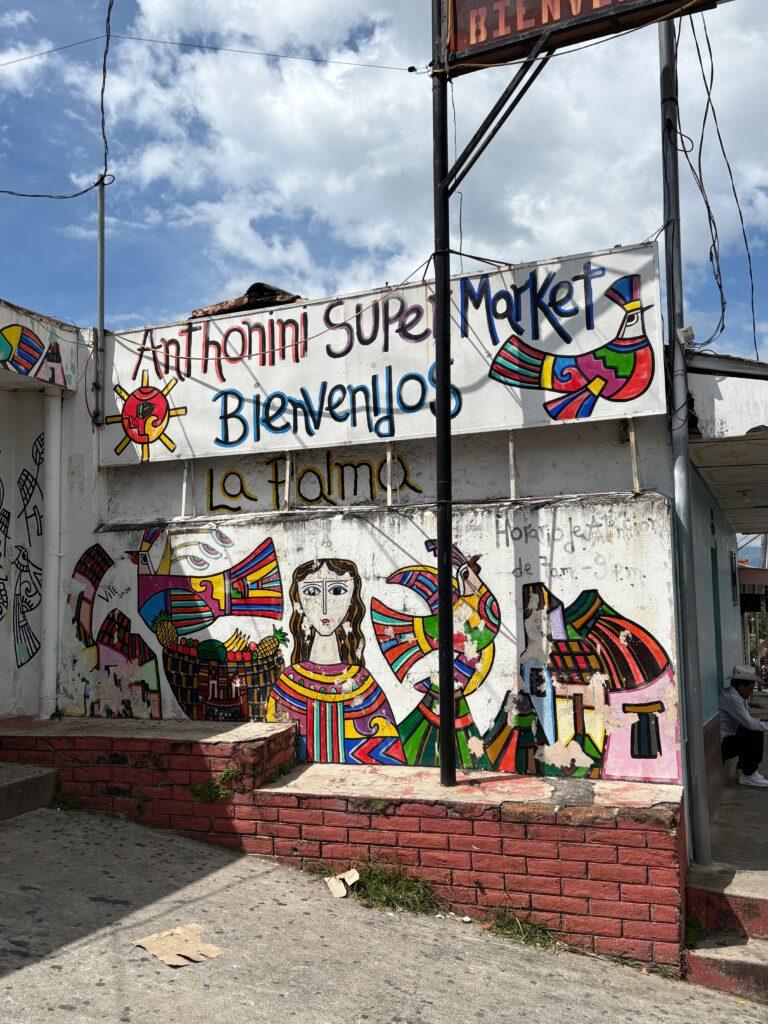
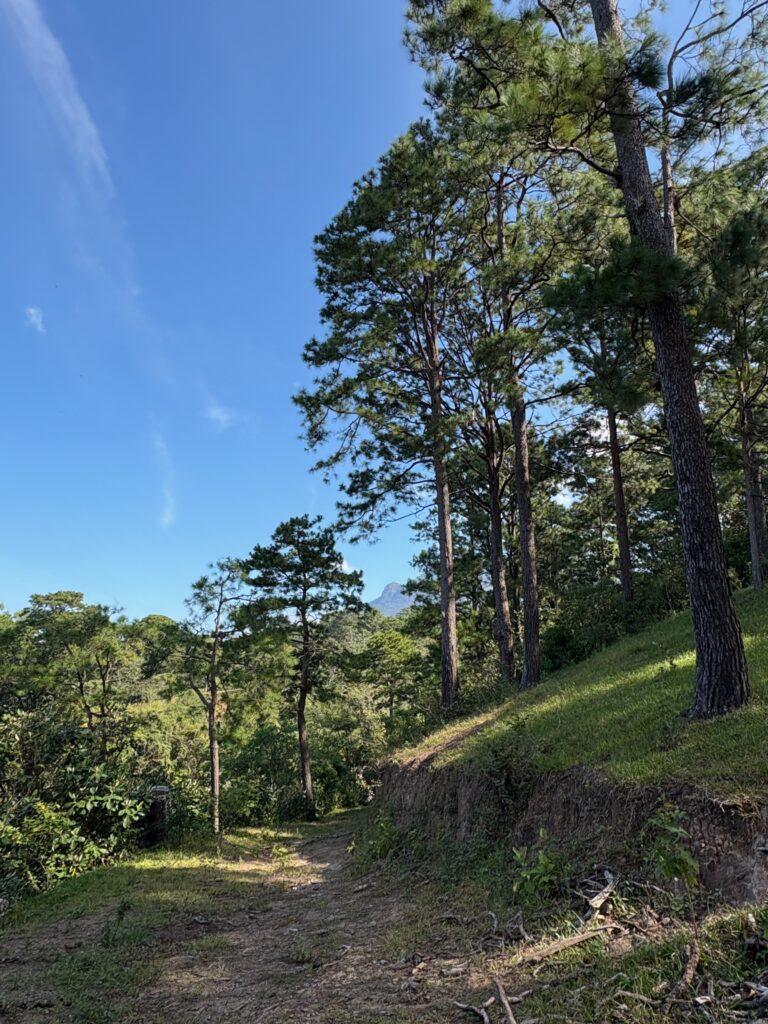
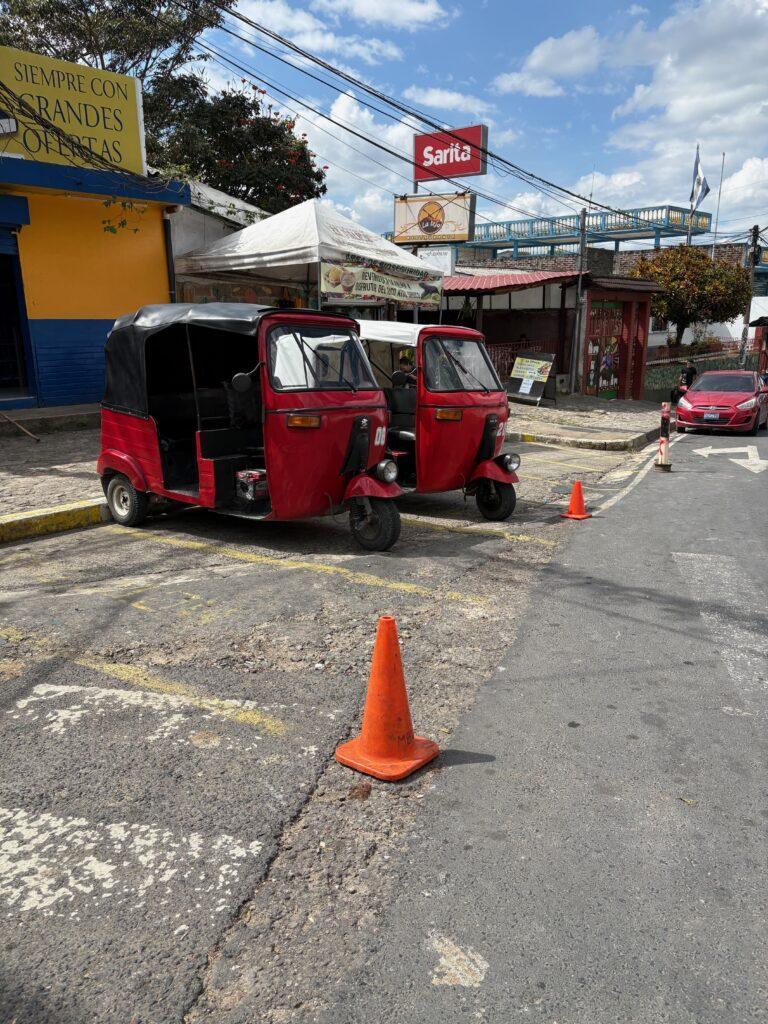
This weekend, my wife and I went to a hotel in San Ignacio, which is in the Chalatenango Department in the far northern part of El Salvador near the Honduras and Guatemalan borders. The village is about 3,300 feet above sea level and due to the high elevation is a little cooler. We arrived somewhat late Saturday night and mostly rested and then enjoyed dinner. For dinner I had wild boar at the hotel restaurant! This morning we went hiking, which is something we enjoy but have not had a chance to do lately. The grounds of the hotel are quite extensive, including a river which we were able to hike to. After our hike we went back to the hotel for a rest before going to the nearby village of La Palma, which is where the peace treaty was signed at the end of the Salvadoran civil war in 1992. We visited small craft booths and walked around the village before driving to a nearby restaurant for lunch. La Palma is an excellent place to buy local crafts and enjoy the mountains.
Peacock in the hotel restaurant (not native to El Salvador)Store in La PalmaHiking in San IgnacioMoto-taxis in La Palma
Today our household goods finally arrived. We don’t have our own house yet, so everything was delivered to my father-in-law’s house. The moving truck arrived at 9 AM with 8 men! That’s something really interesting here in El Salvador: the cost of labor low compared to the U.S, so for a job like this, you get a larger number of workers. My wife and I have to balance between the desire to unpack our things we haven’t seen in months and the likelihood that we’ll be moving again soon. My wife thinks it won’t be until after the holidays. The house definitely feels more livable now with all our furniture. We have sofas, a TV, a dining room set, and all the normal things people have that we’ve been doing without for a while.
October was an interesting month. It was the Fiestas Patronales here in the village. The patron saint for our village happens to be San Rafael (one of the archangels). The festival lasted a full month and included a variety of parades (especially of high school kids playing instruments, marching and dancing), religious processions, horse marches, singing performances, live music, food vendors, amusement rides, a disco (set up right on the street in front of our house), and fireworks almost every morning and night. When I say there were fireworks in the morning, what I mean is that at 5 AM there was a religious procession that passed by the house and included setting off fireworks.
One particular night there was a major party in the street at the end of a month of festivities. About 8:30 PM police cleared the street and then lined people up to reenter the area for the festivities so they could pay admission and buy food and drink. As they did so, a fireworks show as good as many Fourth of July shows I have seen in the U.S. was on display above the village. My wife and I went up to the third floor terrace and watched. Later the party included very loud music, which my Apple Watch told me in our house registered as high as 89 decibels! In any case, the fiestas patronales are a huge celebration for the community in a religious, civic, and social sense.
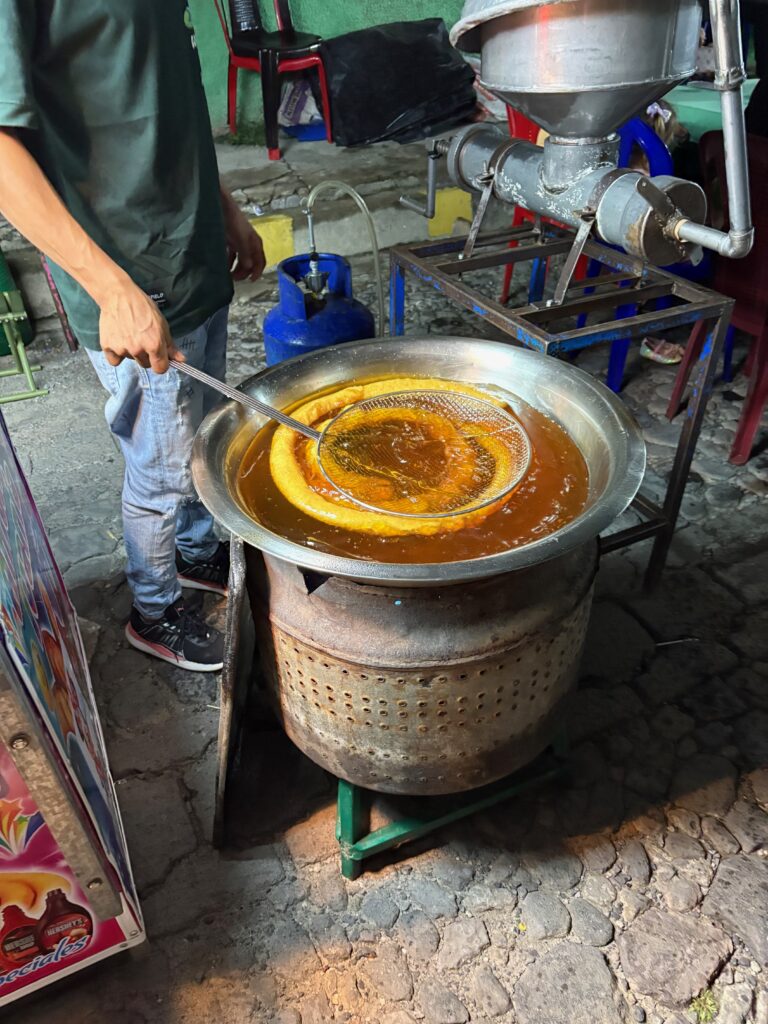
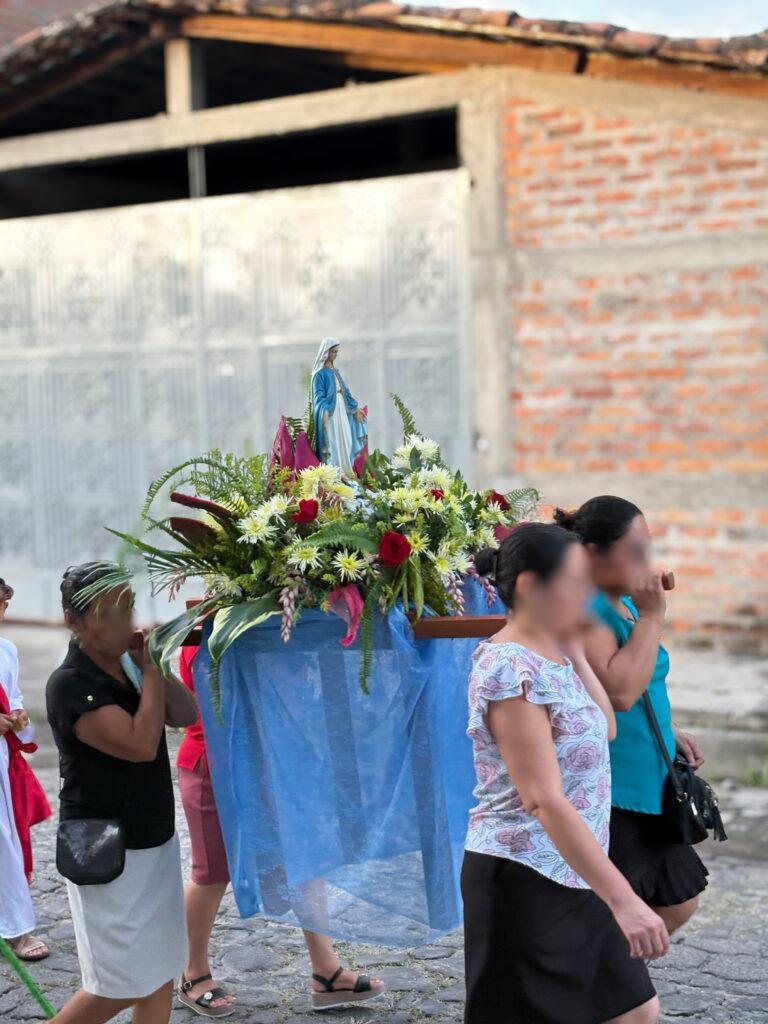
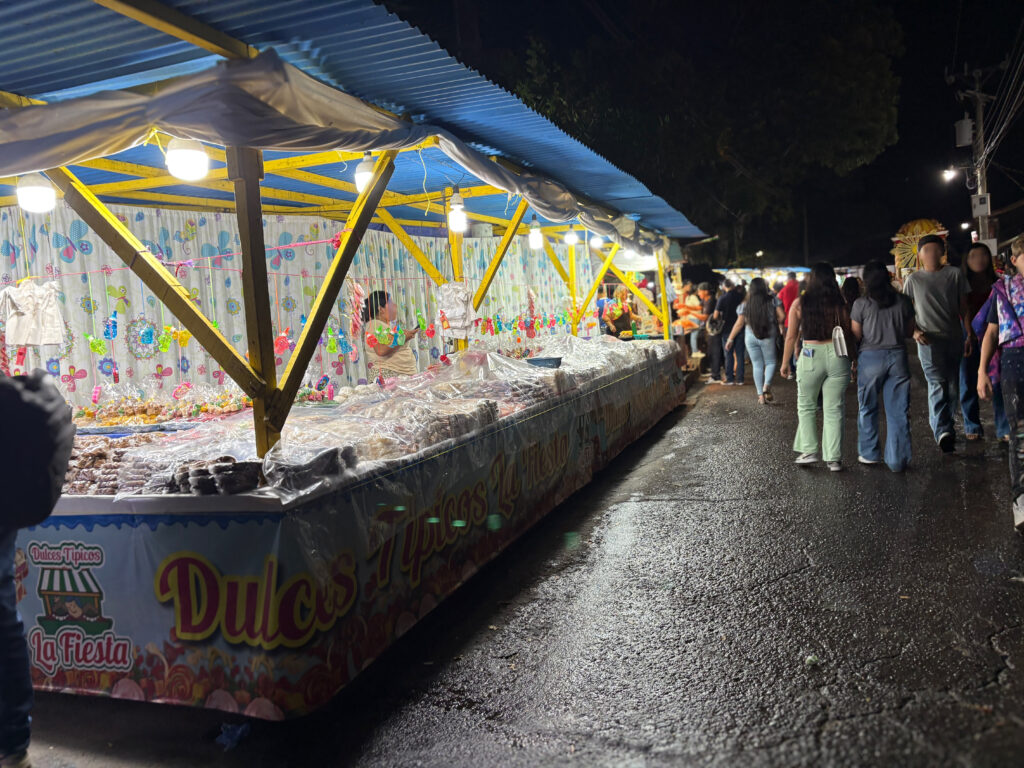
Churro being deep fried. This tastes great with powdered sugar.This was at 5 AM and took place regularly during the month of October.This was a religious procession during the month of OctoberFiestas patronales at night
Today was supposed to be kind of a quiet day. My daughter in law and grandchildren were here this weekend and we had fun, mostly playing with the kids around the house, but also we walked two blocks into town for ice cream. They left early this morning and I went to lunch by myself to explore a little. I walked a block away to a local restaurant and got the usual friendly and curious (who is this American?), but not impolite, stares. I had a beer with grilled chicken and watched fútbol (soccer) on the big screen with everyone else. At the end of my meal, my server asked me (in English) where I was from. He told me he knew a little English and some French and liked to learn languages. I introduced myself and headed home.
At home I entered the kitchen to place my leftovers in the refrigerator and a dove flew violently around the room startled when I entered. Is that a juxtaposition (a dove doing something violent?). I must have terrified the poor bird, but I think it startled me almost as much, as I definitely jumped.
I spent the rest of the day researching how to establish domicile in a U.S. state and how to obtain a drivers license there. It’s important to have a home state when you are an ex-pat as well as a US address. I decided on Washington State for several reasons. One advantage Washington State has is that there is no State income tax. The United States taxes worldwide income and any income I earn in El Salvador in the future will be also taxable by the government here. If my domicile was in a U.S. state with state income tax, I could potentially have to pay three jurisdictions each year (the U.S, the state, and El Salvador).
While I was working on that I heard a siren outside and saw red and blue lights. I went to the upper outdoor balcony and looked down to see a “National Civil Police” vehicle outside and an officer yelling something up to me about the car we had parked on the street. My wife spoke with them and it turned out that we needed to move the car off the street because of a parade coming through tomorrow.
In any case, later, while working on the computer in the study later that night, a bat flew into the room with me! Now I need to pause and tell you a story from my childhood. When my brother and I were not yet teenagers, we were playing a board game in a somewhat small room with a closed door. There was a space about an inch between the floor and the bottom of the door itself. All of the sudden, a bat, using its claws, pulled itself in through the narrow crack into the small room and then began flying around our heads. As you know bats fly using sonar and so it must have detected an adequate gap to be able to fly under the door, but then discovered the space was too small, so had to use its claws to pull itself through. In any case, we ran screaming out of the room and our father had to chase the bat out of the house with a broom and something he held to bounce the bat’s sonar and channel it outside. I think we forgot whose turn it was in our boardgame! In any case this bat tonight definitely startled me and after a second of being completely startled I remembered what my father did and thought of using a lightweight chair to “push” it out the door. It guided itself out the door before I could do much but be startled, but I definitely thought of my brother and father tonight.