Category: Post

  • The Cost of Living in El Salvador

    Here I am home again after two days in San Salvador. We decided to stay overnight in the capital for a couple doctor’s appointments, and also to look at some properties that we were thinking of purchasing. We have thought about purchasing a place as an investment, but one thing that people from the United States should be aware of about the real estate market in El Salvador is that if you’re trying to get a loan from a Salvadoran lending institution, the term of the long may be based in part on your age. This was really surprising to me, but it actually makes some sense. From the lending perspective, banks here want to be sure you have paid off the loan by the time you reach retirement age.  This is a very different scenario then what you may see in the United States. In any case we did not find any thing that we were interested in purchasing, but we had a relaxing evening.  

    At a doctor’s appointment today, there was someone in the waiting room speaking English, who was clearly an American. Our wait for the doctor was very long, on the order of 90 Minutes, so I went over to say hi, having not spoken with an American in-person in a couple weeks. He said he had been living in El Salvador since 2009 and that it was no longer as affordable as a previously was. However, I would say that it’s still less than in the U.S. for most things. For example, anything related to labor is really cheap in El Salvador when compared to labor costs in the U.S. Also, eating out is less expensive. Not only is the cost of food generally less here, but the tips are much lower here as well, being a standard 10 Percent. In addition, in the rural area that my wife and I live in, tips are set at 5%. Of course you can always give more, but it’s not expected. Note that the tips are automatically included in your bill, regardless of party size. No one stands over you waiting to see what percent you’re going to give them like in the U.S.  I acknowledge that some things are more expensive now, compared to what they were, such as real estate. Also, some imported items (like a new laptop), can have a lower cost in the U.S.

    The medical situation in El Salvador is also interesting comparing it to the United States. El Salvador has a three tier medical system: (1) socialized, free, public medicine for all citizens, (2) a Social Security like system for vested workers, and (3) a boutique cash or credit card only medical system. When a relative visited here with me once before we moved, she fell in a rural village and required emergency medical treatment. My wife’s nephew, who is a nurse, went into action and both treated her and coordinated her care with the local clinic. After he got her to the clinic in the village, they treated her, and I went to the administrative desk, and attempted to pay. They were confused, and my wife’s nephew came to me and explained that there was no charge. 

    They provided excellent care. A relative recently raised the question of what would’ve happened if it had been a stroke? I don’t know what level of care that rural clinic could have provided in that case, but I do know we were a 90 minute drive from the capital on bumpy rural roads. I don’t think any helicopter would have come to bring her to a hospital in such a case, as I have seen on I-95 in Maryland, when they shut down five or six lanes of traffic and airlift someone to a nearby hospital. 

    Maybe El Salvador doesn’t have the same resources as the U.S., but what they do have is doctors that take their time with their patients. I’ve seen several doctors here in El Salvador, since we arrived two weeks ago. I realize that these were initial visits, but in each case, the appointments lasted at least 45 minutes with undivided attention. It was only in one case that I had to wait more than 10 minutes for my appointment. And I considered it worthwhile once I got to see the doctor.  The worker medical system here is a tier above the free medical system and my wife tells me it has some additional resources. Both the free system and the Social Security system are supposed to be available to citizens only. I could not avail myself of the free medical system for anything other than an emergency.  
  • Poolside

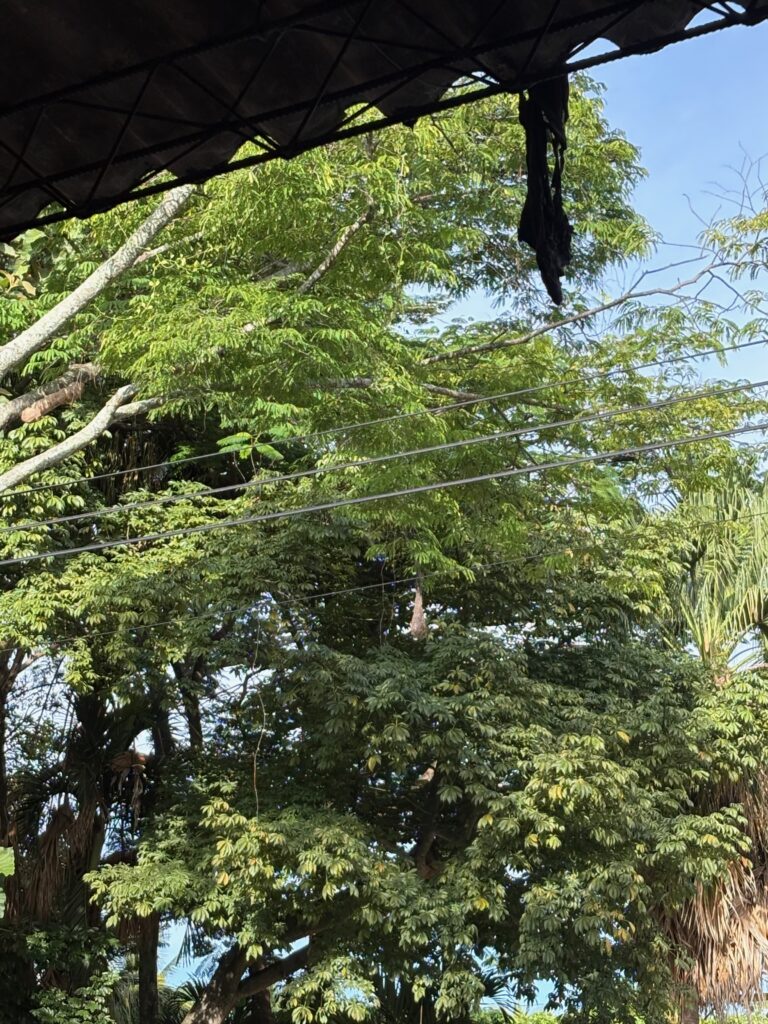
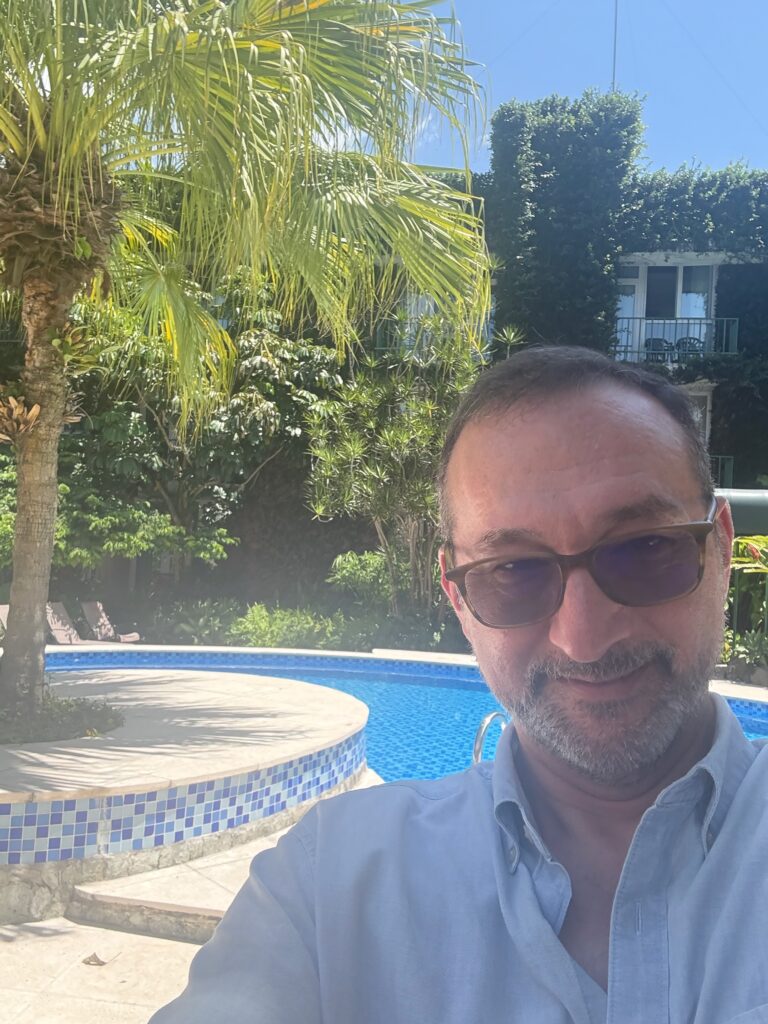
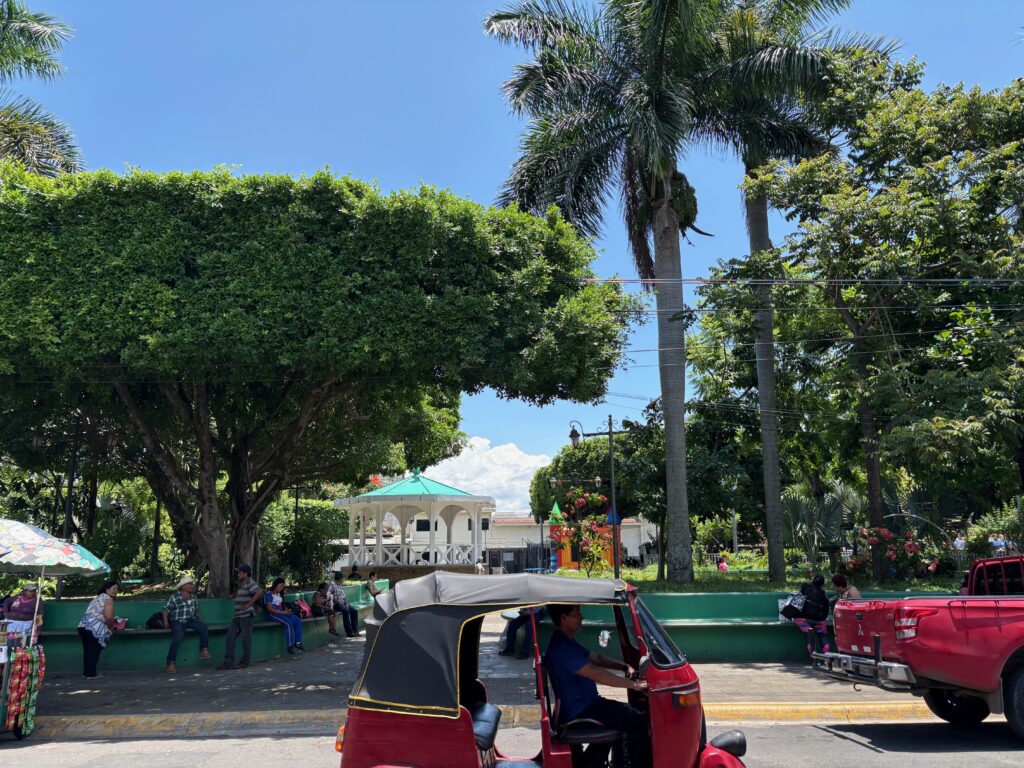
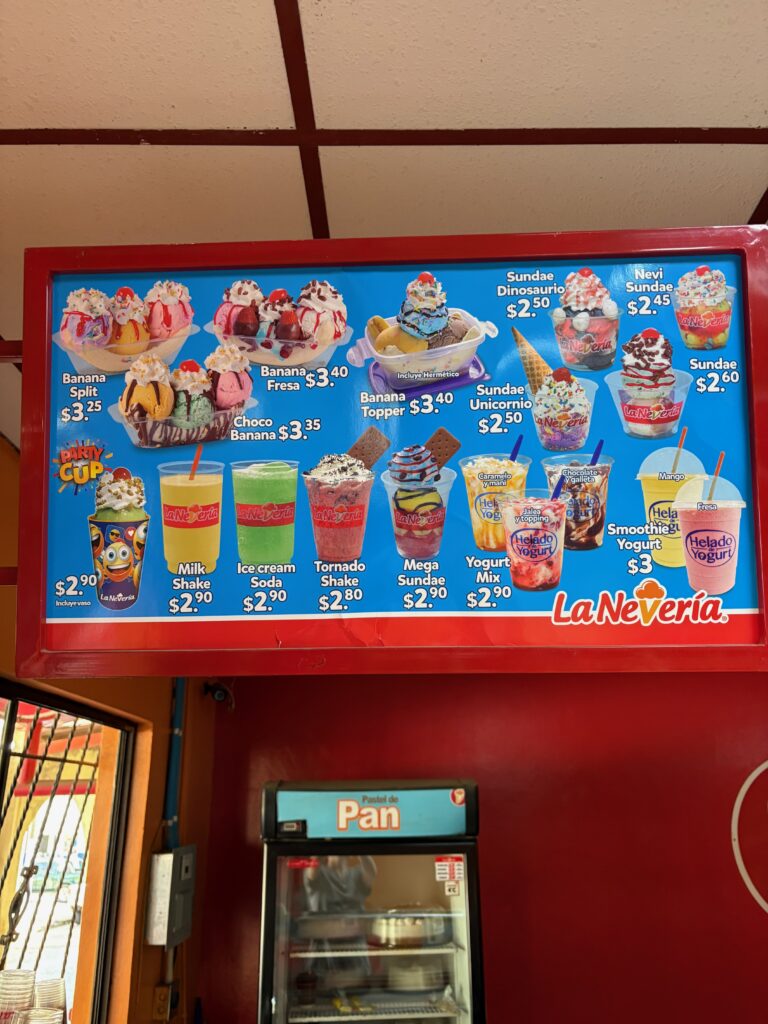
    Here I am sitting beside the pool at the NOVO hotel. My mother and I were here in January. I had no idea at that time I’d be living in El Salvador half a year later. So, why am I poolside at a hotel? I remember having a massage here and had saved a business card. Now I brought my wife to enjoy. We had lunch at the hotel restaurant and then she went for her massage while I relax in the shade and wait. I have a couple medical appointments today and that explains our trip to the capital, so here we are. It’s interesting to note the various costs of things. I saw a doctor this morning (a specialist) for an initial consultation. We sat in his office for 15 minutes talking then he examined me for another 5 minutes and we returned to his desk to discuss a plan.  We paid cash on the way out: $30.  That’s not a copay, that’s the total cost.  Not everything is cheap here, though most things are less expensive than in the United States. Housing and beach real estate is cheaper than in the Washington, DC metro area, but not necessarily significantly less. Plus, many, though not all, houses are smaller than what Americans are used to. A larger home would probably be 80% of the cost of a similar home in the US, however, this is changing all the time as real estate prices have increased here in the last few years. The country is very safe now since the President of El Salvador stopped the gangs from terrorizing the people here. I was here before (my first trip was in 2014) and never felt like I was in danger perhaps because generally tourists were not targets. However, I always had a local guide (my wife) and she knew where not to go. Regardless, you can see the change. In 2014 there was only limited nightlife. Many shops closed at sunset unless they were in a secure area.  Now there is nightlife. You can see couples strolling together after dark and  people seem more relaxed.  Yesterday I went to get ice cream on the town square with my wife’s nephew. We walked the two blocks along cobblestone streets with a few people passing and greeting us. On the square we got ice creams and sat people watching. I saw a weaver bird nest (nido de oropéndula) hanging from a nearby tree. An acquaintance of my wife’s nephew chatted with us for a few minutes and fist bumped me goodbye after meeting me. A few other interesting things I have seen recently include a man and woman riding a motorcycle, with the man holding a bunch of sugarcane and the woman on the back on her cell phone. I have also seen many “moto taxis”, which are what I would call a tuk-tuk. They’re very common in the rural areas, but I don’t see them in or near the capital. The other day, one drove by with a mannequin sticking out the side!

    Ice Cream Options in Cabañas
    Birds Nest
    Me at the pool at the NOVO Hotel in Colonia Escalon in San Salvador
  • The e-SIM and the NIT

    Yesterday I went to get a NIT (Número Identificación Tributara).  A NIT is basically the same as a Tax ID number in the US. .  It was a painless process.  You basically show them your passport, give them an address and a few dollars and they give you a card on the spot.  With the NIT we stopped at the bank again (having been there earlier this week) and were going to open an account for me, but they said it would be require a phone number, so, I also stopped by a cell phone store and got a dual e-SIM on my iPhone.  We could have also gone back to the bank, but I was still pretty tired from 6 months of focus on our move, so I wanted to go home and rest.  I also turned down an opportunity to go to the beach with my stepson, his wife, and our grandchildren. I told my wife to go and leave me home to rest. 

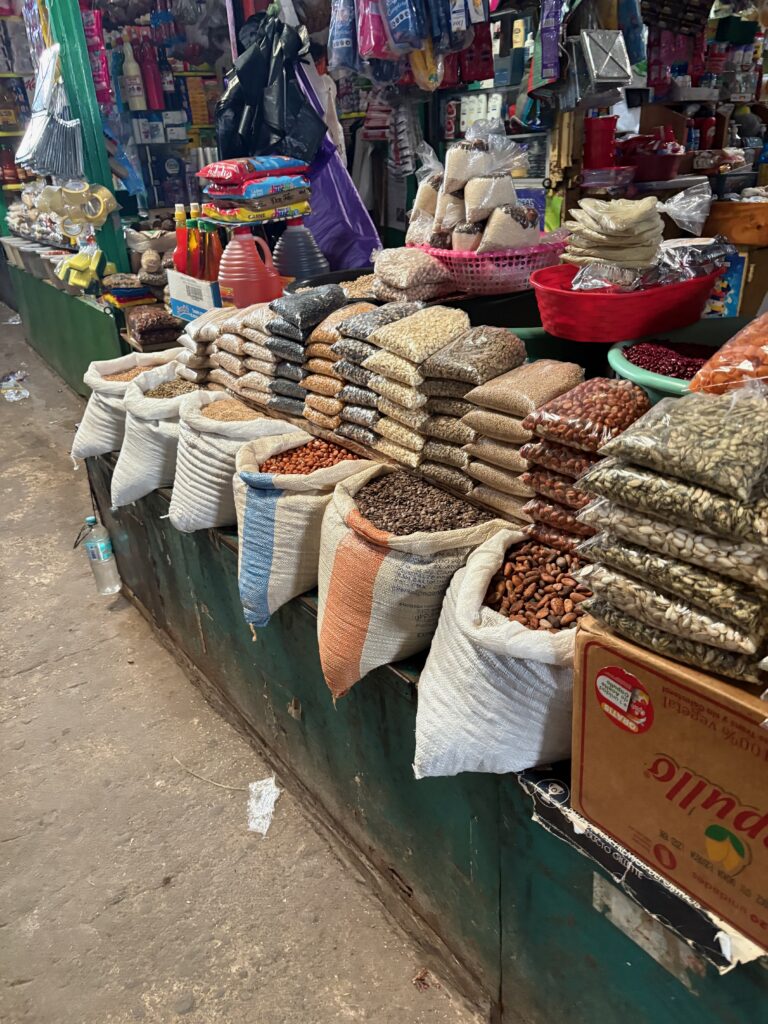
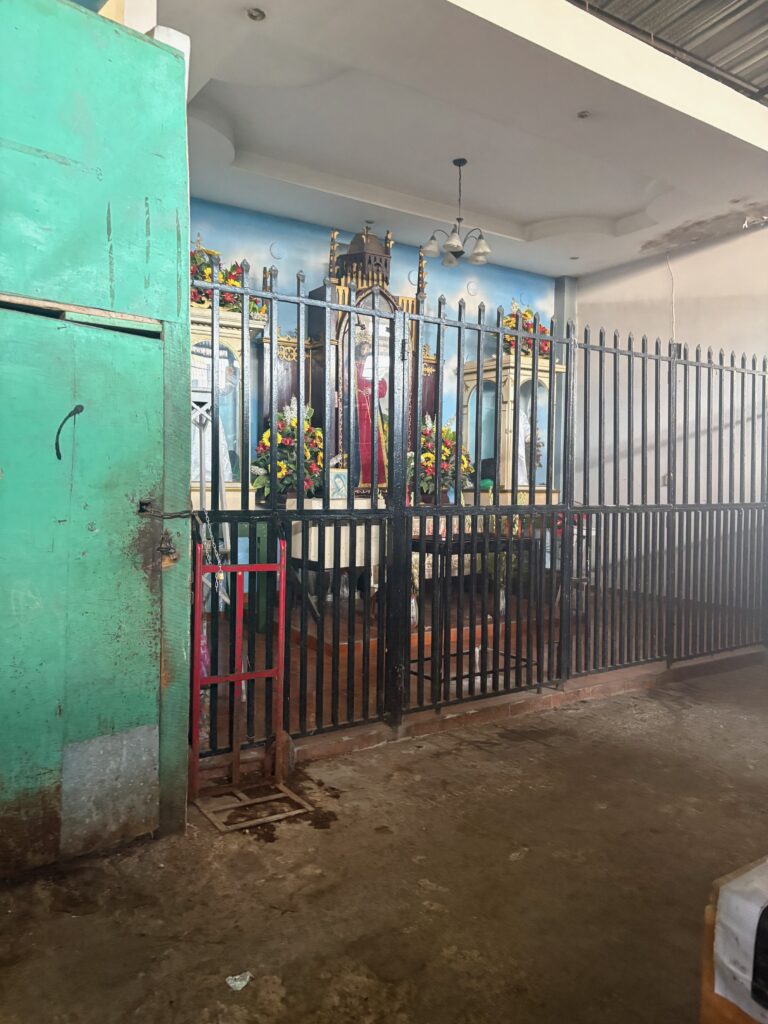
    Inside a market stall area in Ilobasco
    On a street in Ilobasco
    The central square area of Ilobasco
  • On Having an Empleada Domestica

    Today I finally had a relaxing day. I got to sleep in and showered. There is a beautiful newly tiled shower with a rainfall style shower faucet. When I went downstairs I saw our empleada doméstica. In El Salvador, it’s common for middle class families to have one live in domestic worker. The cost per month to have this service is the wage, which costs only slightly more than we paid for cell phone service for four people in the U.S., plus room and board. The background of this system is I am sure class based, but it also helps the very poor obtain resources to feed their families.  It’s interesting that in a conversation with a family member before I left they noted that its probably almost expected that we would hire someone in this role.  It would be easy to dismiss this system as oppression of the poor, but I’m not sure that is accurate. 

    This particular person was initially hired to care for my father-in-law (which she did for about a year); he unexpectedly passed away a few weeks before we moved. She had been caring for him (bathing, dressing, helping him eat, etc.).  That included sleeping in the adjacent room, being available 24/7, with weekends off.  Her mother would come on weekend to take over.  She was devastated when he died and her tears moved my wife and her family, especially as she was the person who initially found my father-in-law unresponsive.  He died in his sleep and at home with family there, but it was very sad especially because it was right before we moved.

    I am sure there was sadness over his death coming from the empleadsa doméstica as well as his community in this rural village. I am also certain there was concern about her income and impact on her family. I told my wife that if we were going to live at the house, we could keep her employed.

    We spent some time in Ilobasco. There we stopped at a bank and my wife was able to open a bank account based on her national identification card, which Salvadorans call a DUI. They said I needed a tax identification number in order to open an account, which they call a NIT. 

  • Dragon Rider

    Today we had a huge birthday party with a DJ for my two grandchildren.  We made it a joint party for both of them with a combined theme of dinosaurs and princesses.  There were about 50 people there with pupusas and coffee for everyone, games, cake and piñatas for the kids. Many of the games were competitive with adults paired up with kids and the crowd voting for the best pair. I was paired with my grandson (who just turned 5); he was a knight and I was a dragon, though I think he was more of a dragon rider (on my back/shoulders) than conquerer.  

  • Taking the Fork in the Road

    Today I have embarked on a journey that is months or perhaps years in the planning.  I am sitting in an airplane beside my wife heading to Central America, not sure if or when I will return permanently.  The airline is Avianca, a Latin American carrier I became familiar with after marrying my Salvadoran wife 12 years ago.  Ahead of me is a tropical paradise and a lot of uncertainty.  Will I like my new semi-retired life in a different country? 

    As I head south, I find that I’m nervous about my future. I know this could be fantastic and the start of a wonderful retirement or a total disaster. I’ve been too busy to think for six months preparing for this moment and suddenly it’s almost like a full stop. I know there will be plenty to do after we move, but this is the first time I’ve had to reflect on my feelings. For months I’ve been deconstructing my life. First the job, then the house, then the cars. Saying goodbye to family and friends: giving up most of my safety net, but trading it in for a new one. Finally we were almost homeless as we headed to the airport. It is terrifying. Still, it’s like the Beatles said “out of college, money spent, see no future, pay no rent, all the money’s gone, no where to go, but oh that magic feeling no where to go.” Maybe I’ve almost got that life. I can teach English in a new country and have a new life. Isn’t that what everyone needs right now: a new beginning?  

    For a number of reasons we had thought we would retire to El Salvador when we discussed the far off idea in the past. I was working as a civil and environmental engineer for the federal government for decades and thought that the change to a relaxed life would do me good. I also became interested in teaching English some years ago and imagined a retirement teaching as a good change.  Finally, I knew the cost of living in Central America is lower than it is in the US, especially in the major US cities, and I imagined being able to enjoy a better standard of living. The flight to El Salvador is about 3 1/2 hours from Washington D.C. and so it seemed even closer than the west coast. It seemed like a reasonable long term plan. 

    Then in February 2025, the new Department of Government Efficiency offered federal employees a “fork in the road”. This fork in the road included continued pay and benefits through September 30 if desired using “deferred resignation.”  One day a co-worker jokingly said to me “take the fork Ben!”  I thought then about the possibility of accelerating the plan to begin immediately. It seemed to me that it only made sense if I could take deferred resignation and also full retirement.  When I discovered this was allowed, I began to really think about it.  I hadn’t really connected the changes at work and the long term plans with my wife until that day.  Once I made the decision, I told another employee who told me they were leaving too and they said, “it’s time to go.”

    I spoke with my wife in February and we realized this was a frightening, but exciting possibility.  For several reasons we knew we could not leave immediately, but we also recognized several issues. Let’s call them macro and micro issues.  

    One macro issues was that I expected a changing housing market. We purchased our house in 2019 when interest rates were very low. My wife convinced me that we needed to take the plunge and stop paying rent.  By 2025 the housing market had been a strong sellers’ market for years due to high interest rates.  People with good mortgage rates (like us) were not selling their houses because if they bought a new home they would have a high rate and likely much higher payments.  This meant that inventory was very low and buyers had to make good offers in order to entice the few sellers that were out there,  Home prices had been increasing sharply in recent years and our home had been a good investment in terms of equity.  However, it seemed to me that the changes in the federal workforce meant that the DC area was likely to see an exodus in the next months and maybe years as people moved out of the area for private sector jobs in lower cost of living areas like the midwest.  It occurred to me that if we wanted to capture that equity before our home decreased in value or at least became harder to sell, we would need to sell the house sooner than later and not buy another house at a high interest rate.  Moving to El Salvador right away suddenly seemed like a good financial move. 

    To make this happen we needed to get out fast. We met with our realtor right away when we made the decision to take the fork in the road.  She went through our house helping us understand what would need to happen in order to make it sell quickly and for the price we wanted. The first step was when she pointed at things throughout the house and said “that has to go” and “that has to go” and so on.  It was a little painful, but no pain, no gain, right?  My wife and I had been accumulating things (books, furniture, knick-knacks, etc.) for about 6 years since we bought the house. These items we quickly boxed up and moved into storage. 

    My wife had also identified an international moving company that (for about $12,000) would pack all your household goods, load them on a ship and move them to your new country.  We worked with an agent so that when the house sold, he would be ready to quickly get everything out.  We moved about 60 boxes of stuff into storage; furniture plus more boxes would follow later.

    A micro issue was that everyone close to retirement age has heard stories of people who work extra years because they love their jobs (or the money) and then finally retire only to pass away soon after, barely getting to enjoy their post-work life. It is true that every year that I would have continued working for the federal government, my retirement would have improved a lot, but was it worth it?  

    There was also the issue that my father-in-law was 84 years old and having some health issues.  My wife wanted to be with him in his final years and when I spoke of moving to El Salvador, she became excited about the ida of living close to her father.  Sadly he passed away a month before we moved, but that was one of the aspects of our planning.

    If I was going to live in El Salvador, I was definitely planning to teach English. How did I come to an interest in teaching English?  In 2019 there was a shut down of the federal government lasting almost two months.  During this time I was doing volunteer work for a local not-for-profit and was asked if I was interested in teaching English as a Second Language (ESOL) classes. I tried it and loved it!  I ended up teaching after work a couple times per week for about 5 years.  I have taught mostly grammar classes, but also in the spring of 2025 (after I stopped working for the government in March) I taught two conversation classes.  In the grammar classes the students followed a text book, but in the conversation classes things were less structured and I was to bring engaging exercise ideas to class twice per week. In either case, my classes were focused on helping immigrant students gain the English language skills they needed to survive and hopefully flourish in their new country.  It was partly a way of sharing my love for the United States with students who had different birthplaces, but had left those behind in search of a better life. Helping them has been very meaningful to me.  

    Teaching English as a Foreign Language (TEFL) is different than Teaching ESOL in the sense that the students are not immigrants.  Their needs are different.  As an example, consider an ESOL conversation class exercise,  I might do a role play where one student is a doctor and the other is a patient and ask them to practice asking and answering different questions about body parts and symptoms.  The purpose is to learn how to interact with English speaking doctors in the US when they are still learning English. Students in El Salvador will not likely need to speak in English with their doctors.  I have never taught English as a Foreign Language, but hopefully I will enjoy it as much.  

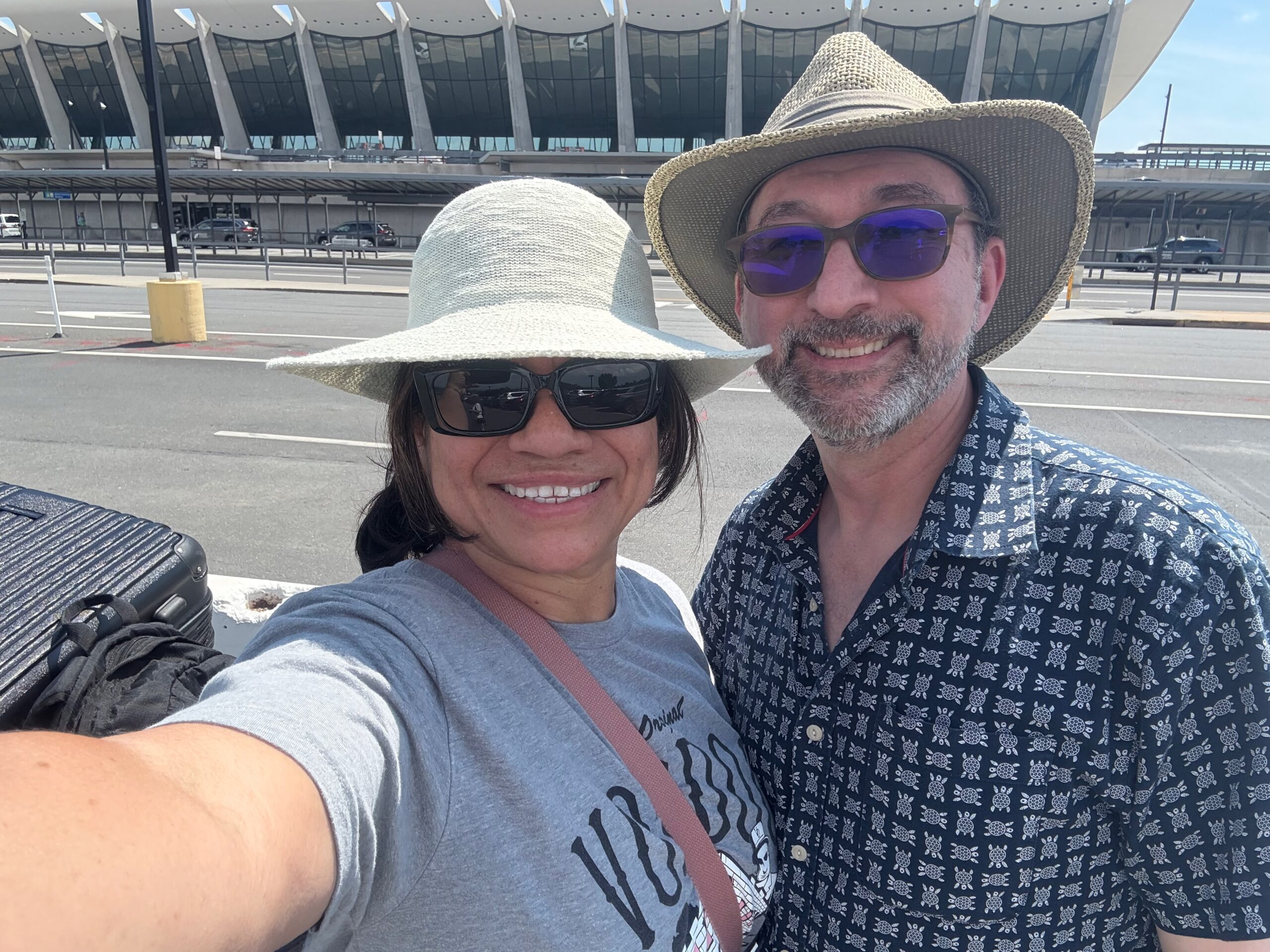
    My wife Flor and I at Dulles airport in Virginia on August 16, 2025